



#BTC
𝘽𝙞𝙩𝙘𝙤𝙞𝙣 𝙈𝙖𝙧𝙠𝙚𝙩 𝙊𝙪𝙩𝙡𝙤𝙤𝙠 𝙅𝙪𝙣𝙚 𝟮𝟬𝟮𝟲 — 𝙈𝙖𝙘𝙧𝙤 𝙋𝙧𝙚𝙨𝙨𝙪𝙧𝙚, 𝙇𝙞𝙦𝙪𝙞𝙙𝙞𝙩𝙮 𝘾𝙮𝙘𝙡𝙚 & 𝙋𝙧𝙞𝙘𝙚 𝙎𝙩𝙧𝙪𝙘𝙩𝙪𝙧𝙚
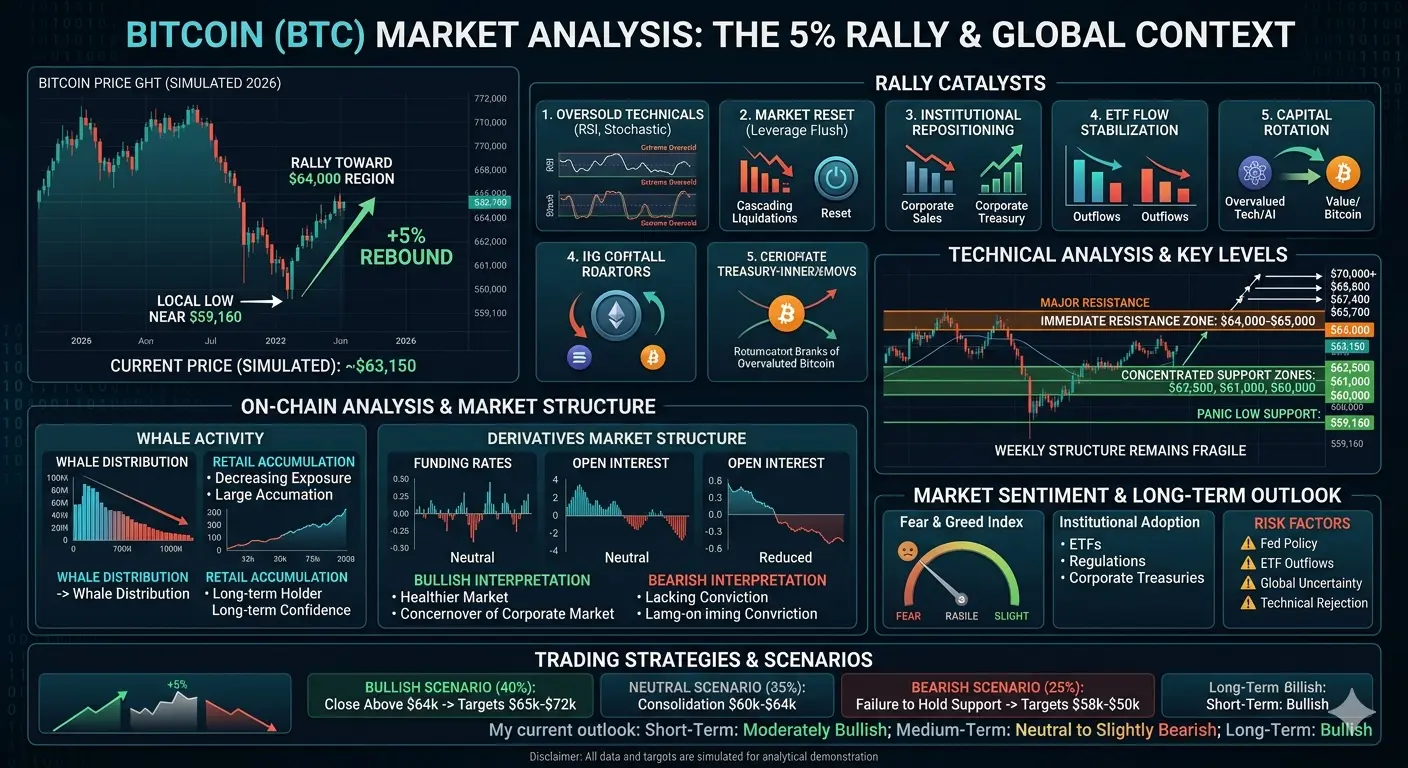
The current phase of Bitcoin shows a clear transition from speculative momentum into a macro-driven liquidity contraction environment, where price behavior is increasingly influenced by global financial tightening rather than crypto-native catalysts. As of June 8, 2026, Bitcoin is trading at approximately $63,500 USDT, reflecting recent volatility after a sharp correction of nearly 20% from its recent peak. This type of price action indicates that the market is no longer in a pure bullish expansion phase, but instead operating within a highly sensitive equilibrium zone, where both upward recoveries and downward breakdowns are heavily dependent on liquidity conditions and institutional participation.
What makes the current structure particularly important is the dominance of macroeconomic forces over on-chain fundamentals. Strong U.S. labor data, rising Treasury yields, and a strengthening U.S. dollar have collectively created a headwind for risk assets, pushing investors to reduce exposure to volatile instruments like Bitcoin. At the same time, consecutive ETF outflows suggest that institutional capital is actively rotating away from crypto and into sectors perceived as more stable or more immediately profitable, particularly AI-driven equities and traditional tech infrastructure plays. This rotation has weakened the structural support behind Bitcoin’s rally attempts, making each rebound more fragile and less sustainable unless backed by renewed inflows.
From a sentiment perspective, the market is currently in a fear-dominant but reactive phase, where traders are responding aggressively to macro signals rather than long-term conviction. Even though Bitcoin has managed to stabilize above key psychological levels after its recent decline, the lack of consistent inflows means the recovery lacks depth. This creates a market environment where rallies are often interpreted as temporary relief rather than structural reversals. The introduction of volatility-focused instruments such as CME’s Bitcoin volatility futures also highlights how institutional players are adapting to this regime, treating Bitcoin increasingly as a tradable volatility asset rather than a directional growth asset.
Technically, Bitcoin remains in a wide consolidation band with elevated volatility, where liquidity pockets above and below current price levels are constantly tested. In such conditions, price direction becomes less predictable and more dependent on external macro catalysts such as inflation data, interest rate expectations, and ETF flow reversals. The key bullish trigger would be a sustained return of institutional inflows combined with a weakening dollar environment, which could restore momentum and reintroduce trend continuation dynamics. Without these conditions, the market risks remaining stuck in a choppy, range-bound structure with frequent false breakouts and liquidity-driven reversals.
From a strategic perspective, this environment demands a disciplined and defensive approach rather than aggressive leverage-based positioning. The most important factor is not chasing short-term moves but understanding liquidity cycles and macro alignment. Bitcoin is currently acting as a global risk appetite indicator, meaning its price reflects broader investor confidence in liquidity conditions rather than isolated crypto fundamentals. In this sense, the current market is less about prediction and more about timing exposure around macro inflection points.
Overall, Bitcoin’s June 2026 outlook is defined by macro uncertainty, institutional hesitation, and fragile liquidity recovery attempts, with price stability heavily dependent on external financial conditions. Until a clear shift in liquidity direction occurs, volatility will remain elevated and directional conviction will stay limited.
#BitcoinRalliesOver5Percent #ShareYourUSStocksWinNvidia
𝘽𝙞𝙩𝙘𝙤𝙞𝙣 𝙈𝙖𝙧𝙠𝙚𝙩 𝙊𝙪𝙩𝙡𝙤𝙤𝙠 𝙅𝙪𝙣𝙚 𝟮𝟬𝟮𝟲 — 𝙈𝙖𝙘𝙧𝙤 𝙋𝙧𝙚𝙨𝙨𝙪𝙧𝙚, 𝙇𝙞𝙦𝙪𝙞𝙙𝙞𝙩𝙮 𝘾𝙮𝙘𝙡𝙚 & 𝙋𝙧𝙞𝙘𝙚 𝙎𝙩𝙧𝙪𝙘𝙩𝙪𝙧𝙚
The current phase of Bitcoin shows a clear transition from speculative momentum into a macro-driven liquidity contraction environment, where price behavior is increasingly influenced by global financial tightening rather than crypto-native catalysts. As of June 8, 2026, Bitcoin is trading at approximately $63,500 USDT, reflecting recent volatility after a sharp correction of nearly 20% from its recent peak. This type of price action indicates that the market is no longer in a pure bullish expansion phase, but instead operating within a highly sensitive equilibrium zone, where both upward recoveries and downward breakdowns are heavily dependent on liquidity conditions and institutional participation.
What makes the current structure particularly important is the dominance of macroeconomic forces over on-chain fundamentals. Strong U.S. labor data, rising Treasury yields, and a strengthening U.S. dollar have collectively created a headwind for risk assets, pushing investors to reduce exposure to volatile instruments like Bitcoin. At the same time, consecutive ETF outflows suggest that institutional capital is actively rotating away from crypto and into sectors perceived as more stable or more immediately profitable, particularly AI-driven equities and traditional tech infrastructure plays. This rotation has weakened the structural support behind Bitcoin’s rally attempts, making each rebound more fragile and less sustainable unless backed by renewed inflows.
From a sentiment perspective, the market is currently in a fear-dominant but reactive phase, where traders are responding aggressively to macro signals rather than long-term conviction. Even though Bitcoin has managed to stabilize above key psychological levels after its recent decline, the lack of consistent inflows means the recovery lacks depth. This creates a market environment where rallies are often interpreted as temporary relief rather than structural reversals. The introduction of volatility-focused instruments such as CME’s Bitcoin volatility futures also highlights how institutional players are adapting to this regime, treating Bitcoin increasingly as a tradable volatility asset rather than a directional growth asset.
Technically, Bitcoin remains in a wide consolidation band with elevated volatility, where liquidity pockets above and below current price levels are constantly tested. In such conditions, price direction becomes less predictable and more dependent on external macro catalysts such as inflation data, interest rate expectations, and ETF flow reversals. The key bullish trigger would be a sustained return of institutional inflows combined with a weakening dollar environment, which could restore momentum and reintroduce trend continuation dynamics. Without these conditions, the market risks remaining stuck in a choppy, range-bound structure with frequent false breakouts and liquidity-driven reversals.
From a strategic perspective, this environment demands a disciplined and defensive approach rather than aggressive leverage-based positioning. The most important factor is not chasing short-term moves but understanding liquidity cycles and macro alignment. Bitcoin is currently acting as a global risk appetite indicator, meaning its price reflects broader investor confidence in liquidity conditions rather than isolated crypto fundamentals. In this sense, the current market is less about prediction and more about timing exposure around macro inflection points.
Overall, Bitcoin’s June 2026 outlook is defined by macro uncertainty, institutional hesitation, and fragile liquidity recovery attempts, with price stability heavily dependent on external financial conditions. Until a clear shift in liquidity direction occurs, volatility will remain elevated and directional conviction will stay limited.
#BitcoinRalliesOver5Percent #ShareYourUSStocksWinNvidia