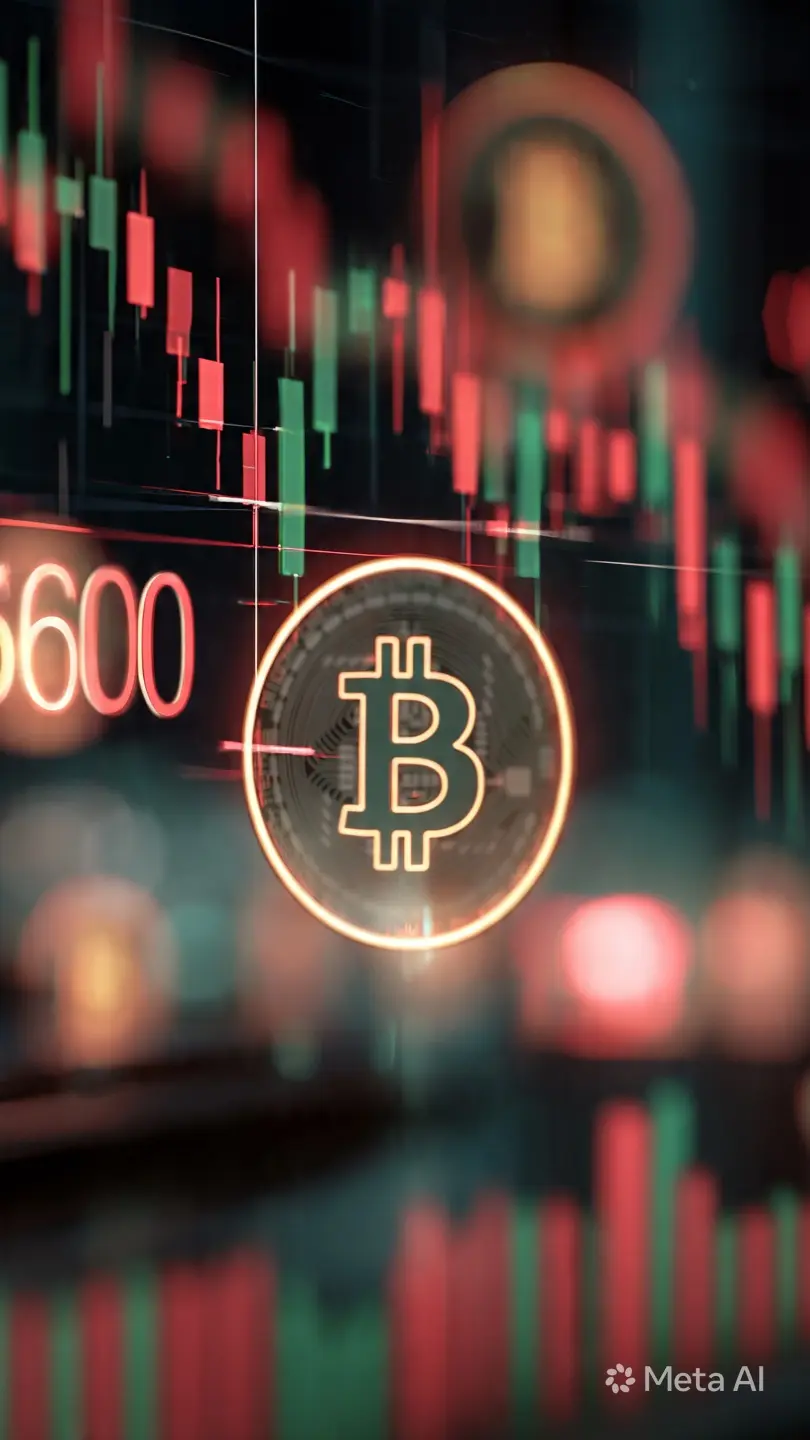
#BTCProbes60KKeySupportLevel Bitcoin has entered another critical phase as it tests the $60,000 support level, a price zone that many traders consider one of the most important psychological and technical areas of the current market cycle. Whenever Bitcoin approaches a major support level, market participants closely monitor price action to determine whether buyers have enough strength to defend the trend or whether sellers will gain control and push prices lower.
Support levels represent areas where buying interest has historically been strong enough to slow or reverse downward momentum. The $60,000 level carries additional significance because it combines psychological importance with technical relevance. Large round numbers often attract increased trading activity, making them key battlegrounds between bulls and bears.
For bullish investors, holding above this level would reinforce confidence that the broader uptrend remains intact. Strong buying volume near support may indicate that long-term investors continue viewing temporary pullbacks as opportunities rather than reasons for concern. A successful defense of this level could encourage renewed momentum toward higher resistance zones if market sentiment improves.
On the other hand, if selling pressure becomes stronger and Bitcoin closes decisively below this support, traders may begin focusing on lower technical levels for potential stabilization. Market participants often reassess risk during these moments, making disciplined strategy and proper position management especially important.
Market sentiment remains one of the strongest short-term drivers of Bitcoin price action. Positive institutional developments, growing adoption, favorable macroeconomic conditions, or increased demand from long-term holders can strengthen confidence. Conversely, uncertainty surrounding monetary policy, regulatory developments, or broader financial market weakness may increase short-term volatility.
Institutional participation continues to play a larger role in Bitcoin's market structure. Professional investors, asset managers, and corporations have significantly increased their presence in recent years, bringing greater liquidity while also making Bitcoin more responsive to broader macroeconomic trends. Interest rate expectations, inflation data, and central bank decisions now influence cryptocurrency markets more than ever before.
Technical analysts are watching several indicators beyond price alone. Trading volume, momentum oscillators, moving averages, and market structure all provide additional clues about the strength of current price action. A support level becomes more meaningful when accompanied by increasing buying volume and improving momentum, while weak volume during a bounce may signal that buyers remain cautious.
Volatility is a natural characteristic of Bitcoin. Sharp price swings have accompanied nearly every major phase of its history. Experienced market participants understand that temporary corrections are part of long-term market cycles, making emotional discipline one of the most valuable qualities for both traders and investors.
Risk management becomes especially important when markets approach major support zones. Defining position size, maintaining appropriate diversification, and avoiding emotional decisions can help investors navigate periods of heightened uncertainty. Successful market participants often focus less on predicting every price movement and more on managing risk effectively.
Beyond short-term price action, Bitcoin's long-term investment narrative remains centered around limited supply, growing institutional adoption, expanding global awareness, and increasing integration into the broader financial system. These structural themes continue attracting attention from investors who view digital assets as an evolving part of modern finance.
Blockchain innovation also continues expanding beyond simple value transfer. Developments in financial infrastructure, payment solutions, tokenization, and decentralized technologies demonstrate how the broader digital asset ecosystem continues to mature. Bitcoin remains the largest and most recognized cryptocurrency, often serving as the benchmark for overall market sentiment.
Macroeconomic conditions remain an important influence. Inflation expectations, employment reports, interest rate decisions, and global liquidity conditions all shape investor appetite for both traditional and digital assets. When economic uncertainty increases, cryptocurrencies may experience periods of heightened volatility as investors adjust their portfolios.
Psychology plays a significant role during major support tests. Fear often increases when prices approach critical levels, while optimism returns quickly if support holds and buyers regain momentum. Understanding market psychology can help investors avoid making impulsive decisions driven solely by short-term price fluctuations.
Every market cycle presents opportunities for learning. Some participants focus on short-term trading strategies, while others emphasize long-term accumulation and portfolio management. Regardless of strategy, maintaining discipline, conducting thorough research, and respecting market risk remain essential principles.
The coming trading sessions may provide greater clarity regarding Bitcoin's next major direction. If buyers successfully defend the $60,000 support level, confidence could gradually return and encourage another attempt toward higher resistance levels. If selling pressure continues to dominate, traders may look for the next significant support zone before expecting a stronger recovery.
Markets rarely move in straight lines. Corrections, consolidations, and periods of uncertainty are natural components of long-term trends. Investors who remain focused on research, disciplined risk management, and thoughtful decision-making are often better positioned to navigate changing market conditions.
Bitcoin's test of the $60,000 support level is more than a technical event—it reflects the ongoing balance between optimism and caution across the cryptocurrency market. Whether this level becomes the foundation for the next upward move or gives way to additional volatility, it will remain a closely watched milestone for traders and investors around the world as they evaluate the next chapter of Bitcoin's evolving market journey.