

#IranClosesStraitOfHormuz
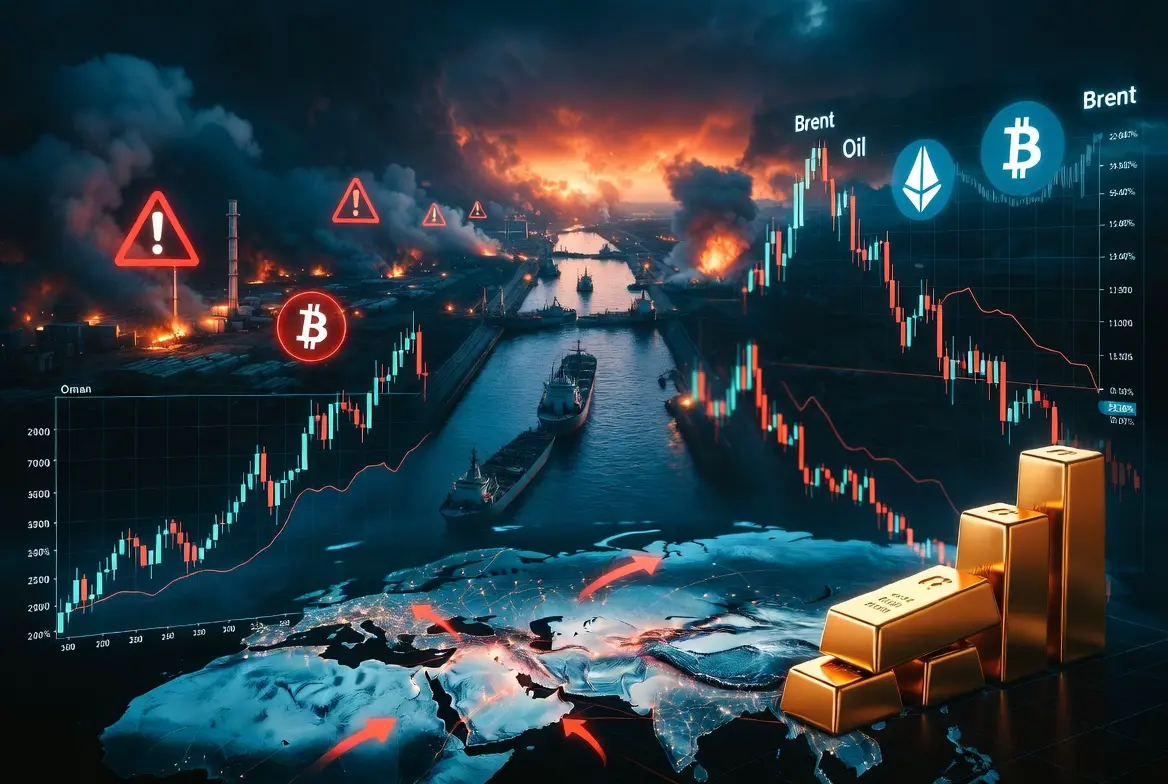
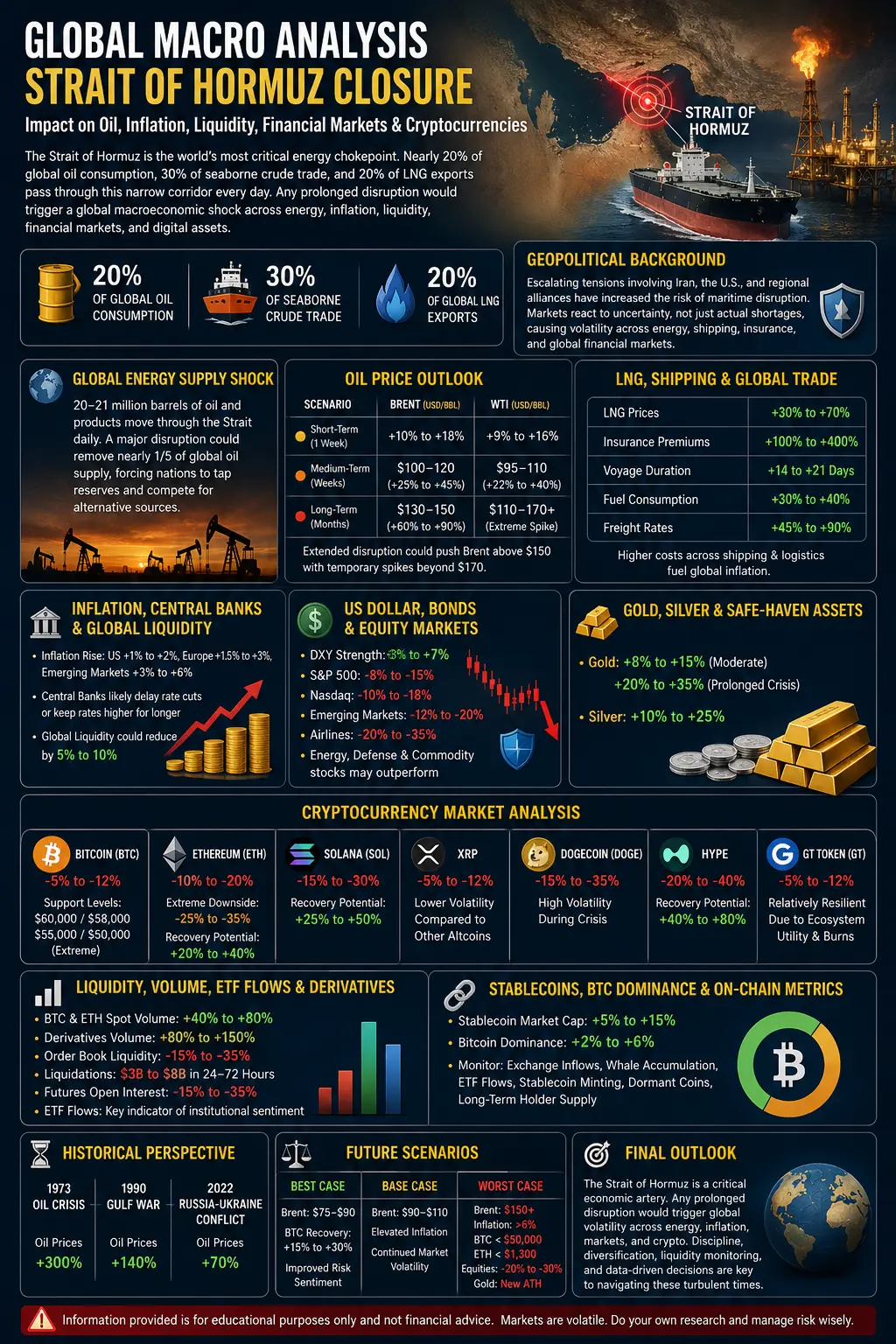
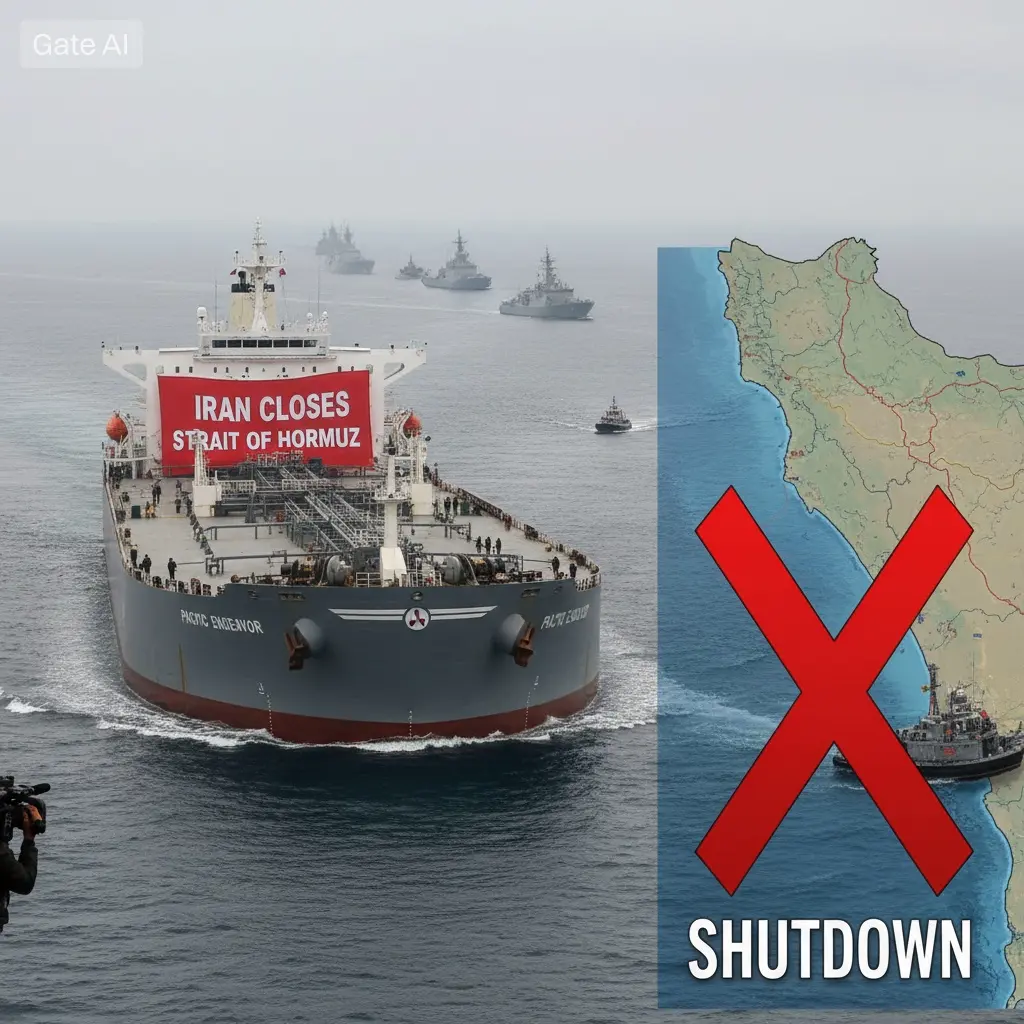
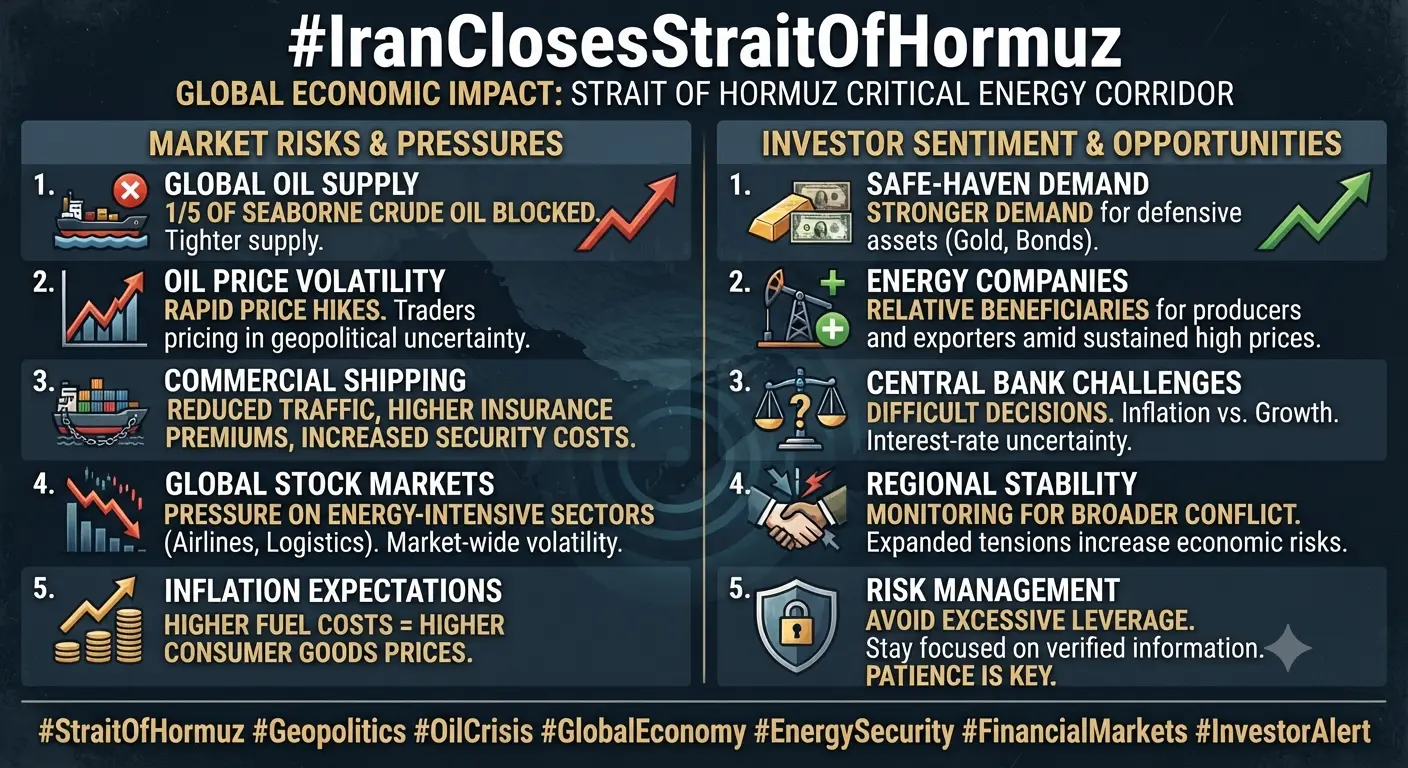
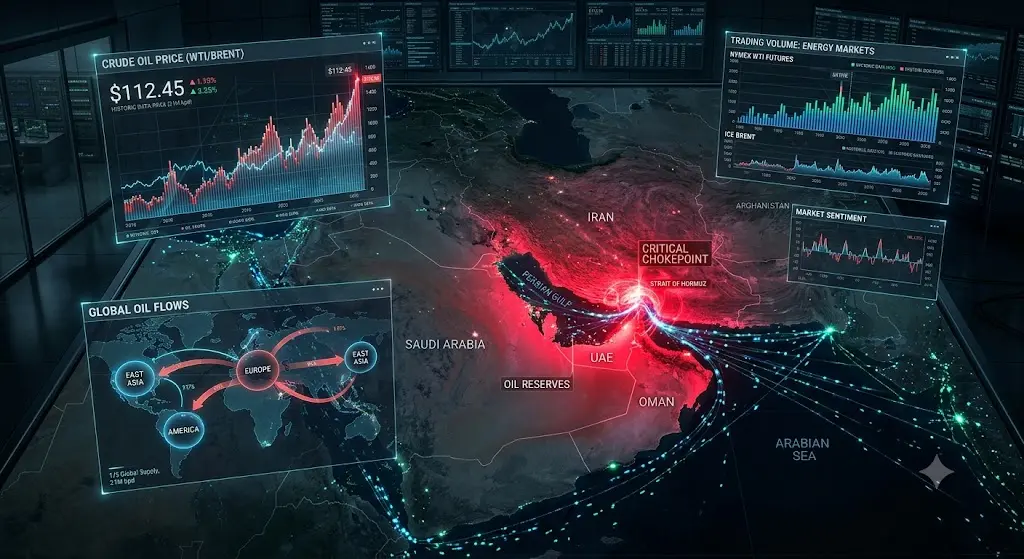
The Strait of Hormuz is widely regarded as the single most important energy chokepoint in the global economy because nearly 20% of global oil consumption, almost 30% of seaborne crude oil trade, and approximately 20% of global LNG exports pass through this narrow maritime corridor every single day. Despite its relatively small geographic size, this strategic passage serves as the backbone of international energy trade, connecting major oil-producing nations in the Persian Gulf with the world's largest energy-consuming economies. A prolonged disruption would therefore represent far more than a regional geopolitical crisis, as it would rapidly evolve into a global macroeconomic event capable of influencing inflation, central bank policy, international trade, shipping costs, financial market liquidity, sovereign debt, foreign exchange markets, commodity prices, corporate earnings, and digital assets. Because modern financial markets are highly interconnected, investors often react to expectations of supply disruptions well before actual shortages emerge.
Geopolitical Background
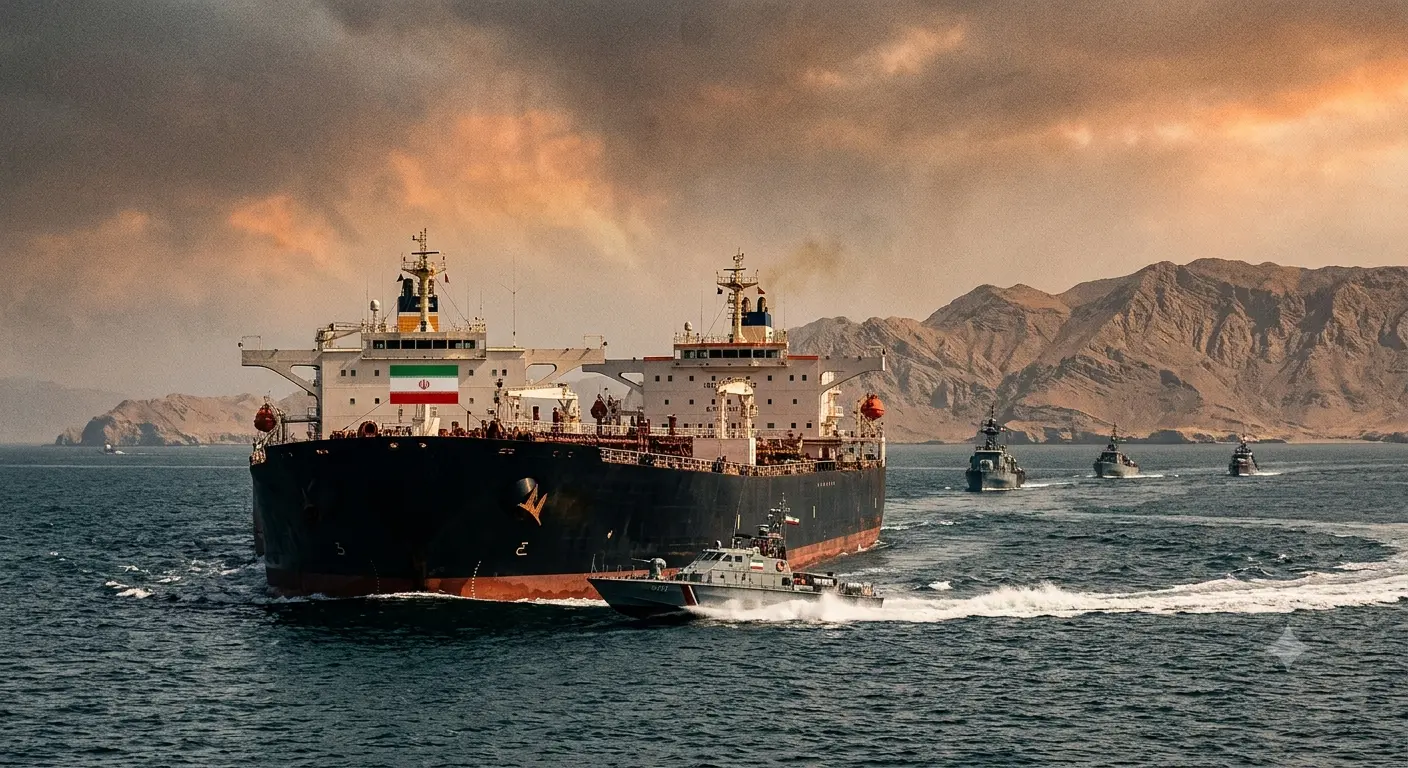
Escalating tensions involving Iran, the United States, and regional military alliances have once again placed the Strait of Hormuz at the center of global attention. Increased naval deployments, sanctions, military exercises, and diplomatic uncertainty have collectively raised concerns about maritime security, encouraging investors to demand higher risk premiums across energy markets. Commodity markets typically react to uncertainty rather than confirmed shortages, explaining why crude oil prices often rise before physical supply disruptions occur.
Global Energy Supply Shock
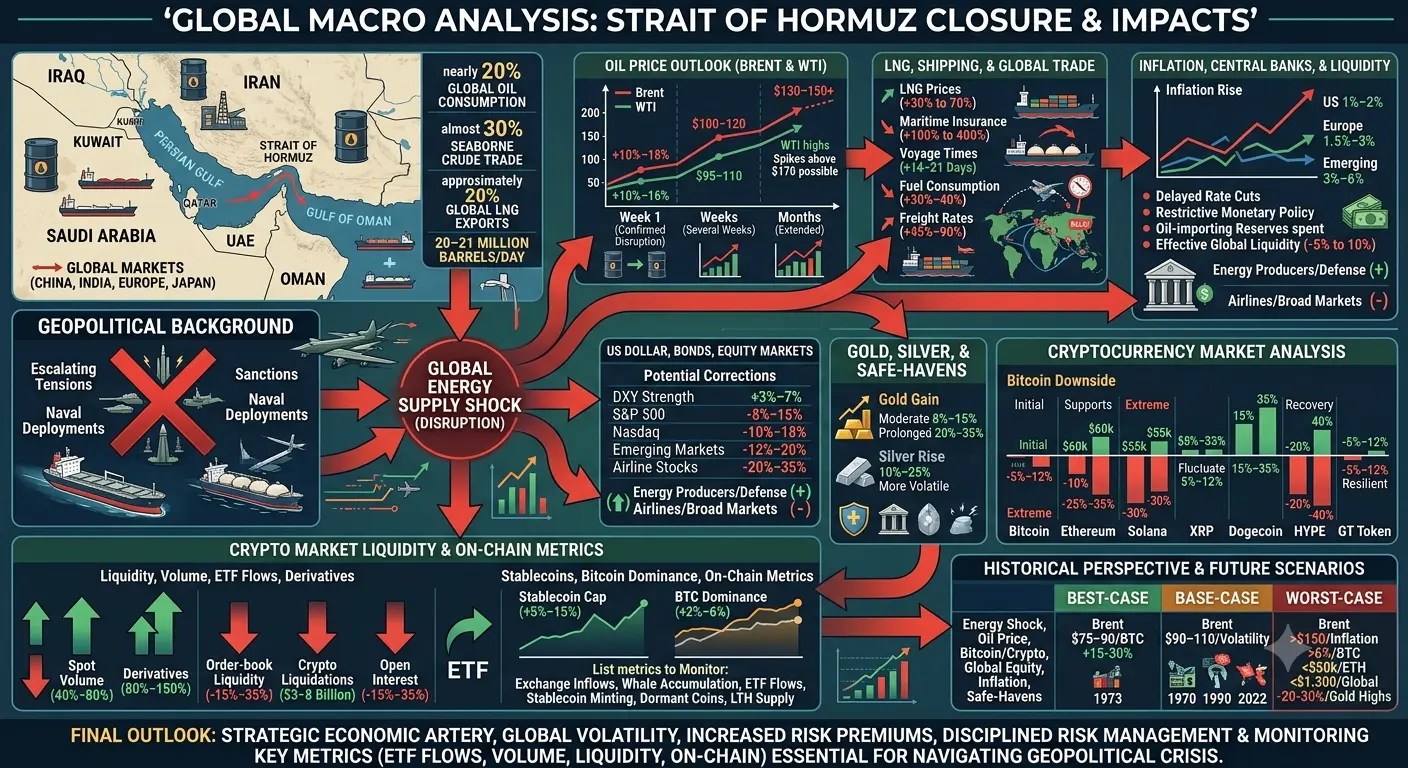
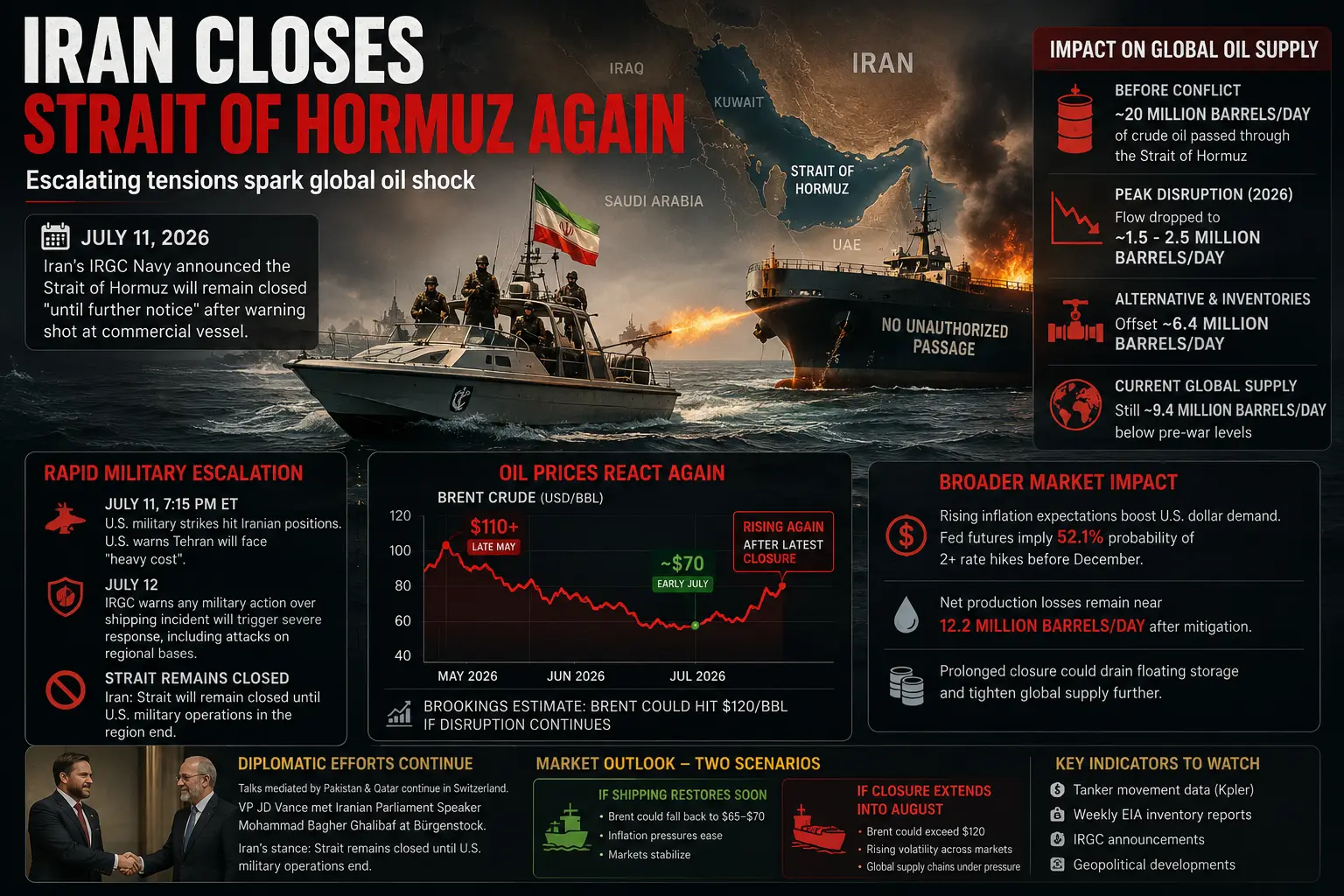
Approximately 20–21 million barrels of crude oil and petroleum products move through the Strait of Hormuz every day. Major exporters including Saudi Arabia, the United Arab Emirates, Iraq, Kuwait, Iran, and Qatar rely heavily on this passage, while China, India, Japan, South Korea, and Europe account for most import demand. A prolonged disruption could remove nearly one-fifth of internationally traded crude oil from normal supply, forcing governments to release strategic reserves while refineries compete for alternative supplies, significantly increasing energy costs worldwide.
Oil Price Outlook
During the first week following a confirmed disruption, Brent crude could appreciate by 10% to 18%, while WTI may increase between 9% and 16%. If disruption extends several weeks, Brent could reach $100–120 per barrel with gains of 25% to 45%, while WTI may climb to $95–110 with increases of 22% to 40%. Under an extended disruption lasting months, Brent could reach $130–150 per barrel, representing gains of 60% to 90%, while temporary spikes above $170 cannot be ruled out.
LNG, Shipping, and Global Trade
Qatar exports nearly one-fifth of global LNG through this corridor. Any disruption could push LNG prices 30% to 70% higher. Maritime insurance premiums may rise 100% to 400%, voyages could lengthen by 14–21 days, fuel consumption may increase 30%–40%, and freight rates could rise 45%–90%, amplifying inflation across global supply chains.
Inflation, Central Banks, and Global Liquidity
Inflation could rise by roughly 1%–2% in the United States, 1.5%–3% across Europe, and 3%–6% in many emerging economies. Central banks may delay rate cuts or maintain restrictive monetary policy for longer. Oil-importing nations may devote more foreign reserves to energy purchases, potentially reducing effective global financial liquidity by 5%–10%.
US Dollar, Bonds, and Equity Markets
The US Dollar Index (DXY) could strengthen 3%–7%. Equity markets may correct significantly, with the S&P 500 declining 8%–15%, Nasdaq 10%–18%, emerging markets 12%–20%, and airline stocks falling 20%–35%. Energy producers, defense companies, and commodity-related firms may outperform.
Gold, Silver, and Safe-Haven Assets
Gold could gain 8%–15% under a moderate disruption and 20%–35% during a prolonged crisis. Silver may rise 10%–25%, although its industrial demand makes it more volatile than gold.
Cryptocurrency Market Analysis
Bitcoin could initially decline 5%–12%, with major support near $60,000, followed by $58,000, $55,000, and an extreme downside near $50,000. Ethereum may correct 10%–20%, with extreme downside reaching 25%–35%, followed by recovery potential of 20%–40%.
Solana could decline 15%–30% before recovering 25%–50%. XRP may fluctuate 5%–12%, Dogecoin 15%–35%, HYPE 20%–40% before recovering 40%–80%, while GT Token may remain relatively resilient with downside limited to 5%–12%.
Liquidity, Trading Volume, ETF Flows, and Derivatives
Bitcoin and Ethereum spot trading volume could increase 40%–80%, while derivatives volume may expand 80%–150%. Order-book liquidity could decline 15%–35%, crypto liquidations may reach $3–8 billion within 24–72 hours, and futures open interest could contract 15%–35%.
ETF inflows and outflows will remain important indicators of institutional sentiment.
Stablecoins, Bitcoin Dominance, and On-Chain Metrics
Stablecoin market capitalization could increase 5%–15%, while Bitcoin Dominance may rise 2%–6%. Investors should monitor exchange inflows, whale accumulation, ETF flows, stablecoin minting, dormant coin movement, and long-term holder supply for confirmation of institutional positioning.
Historical Perspective and Future Scenarios
The 1973 Oil Crisis, 1990 Gulf War, and 2022 Russia–Ukraine conflict demonstrate that energy shocks can trigger sharp but temporary market disruptions. A best-case scenario could return Brent toward $75–90 with Bitcoin recovering 15%–30%. A base-case scenario may keep Brent near $90–110 with continued volatility. A worst-case scenario could push Brent above $150, inflation beyond 6%, Bitcoin temporarily below $50,000, Ethereum below $1,300, and global equity markets into corrections of 20%–30%, while gold reaches new all-time highs.
Final Outlook
The Strait of Hormuz remains one of the world's most critical economic arteries, influencing inflation, monetary policy, financial liquidity, and investor confidence worldwide. Any prolonged disruption would likely increase volatility across oil, natural gas, equities, bonds, foreign exchange, precious metals, and cryptocurrencies while reducing global liquidity and increasing demand for defensive assets. Investors who maintain disciplined risk management, diversify portfolios, monitor ETF flows, trading volume, liquidity conditions, derivatives positioning, and on-chain data, and avoid emotional decision-making are generally better positioned to navigate such macroeconomic shocks. History consistently shows that although geopolitical crises create severe short-term volatility, fundamentally strong assets often recover as uncertainty gradually fades.@Gate_Square
The Strait of Hormuz is widely regarded as the single most important energy chokepoint in the global economy because nearly 20% of global oil consumption, almost 30% of seaborne crude oil trade, and approximately 20% of global LNG exports pass through this narrow maritime corridor every single day. Despite its relatively small geographic size, this strategic passage serves as the backbone of international energy trade, connecting major oil-producing nations in the Persian Gulf with the world's largest energy-consuming economies. A prolonged disruption would therefore represent far more than a regional geopolitical crisis, as it would rapidly evolve into a global macroeconomic event capable of influencing inflation, central bank policy, international trade, shipping costs, financial market liquidity, sovereign debt, foreign exchange markets, commodity prices, corporate earnings, and digital assets. Because modern financial markets are highly interconnected, investors often react to expectations of supply disruptions well before actual shortages emerge.
Geopolitical Background
Escalating tensions involving Iran, the United States, and regional military alliances have once again placed the Strait of Hormuz at the center of global attention. Increased naval deployments, sanctions, military exercises, and diplomatic uncertainty have collectively raised concerns about maritime security, encouraging investors to demand higher risk premiums across energy markets. Commodity markets typically react to uncertainty rather than confirmed shortages, explaining why crude oil prices often rise before physical supply disruptions occur.
Global Energy Supply Shock
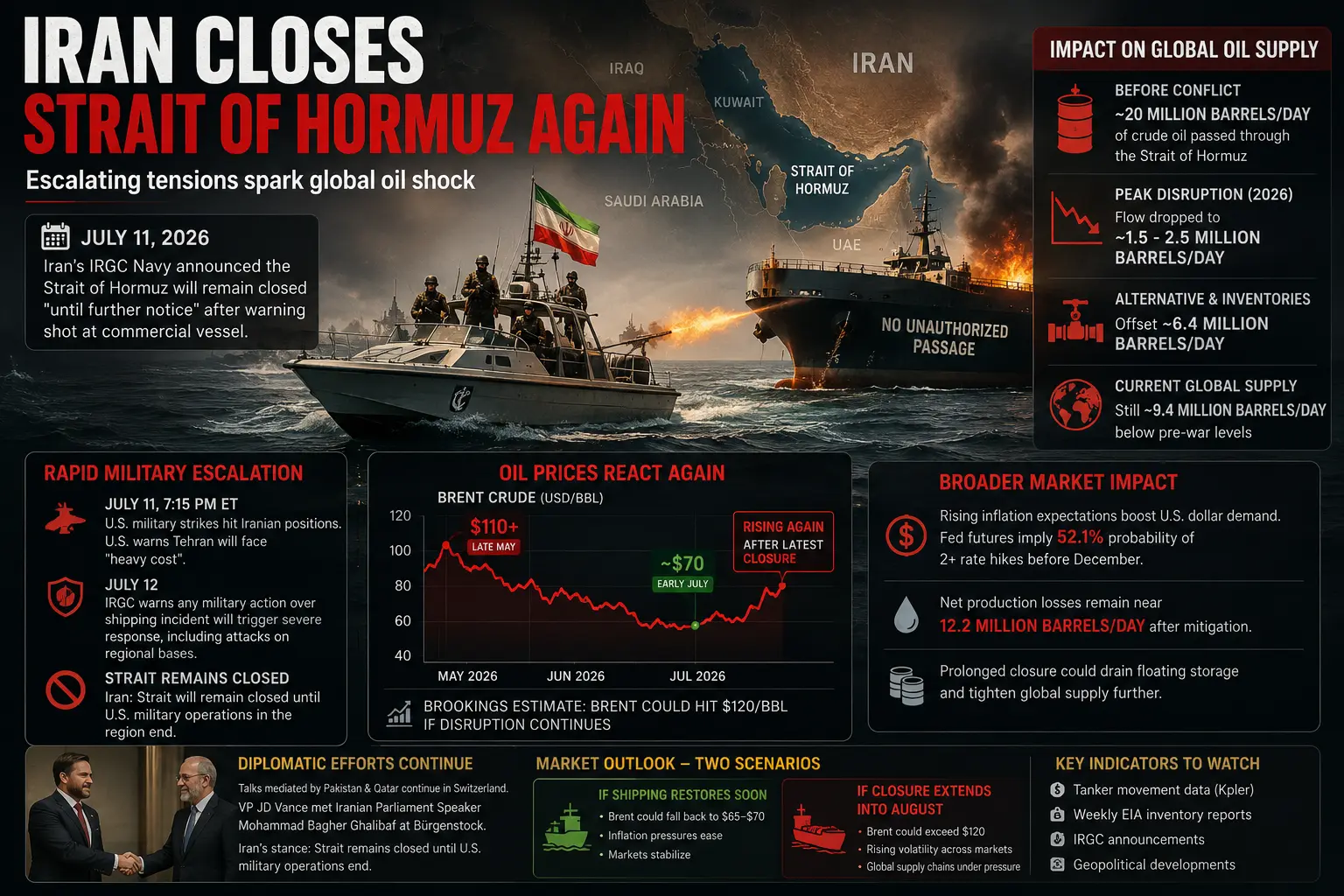
Approximately 20–21 million barrels of crude oil and petroleum products move through the Strait of Hormuz every day. Major exporters including Saudi Arabia, the United Arab Emirates, Iraq, Kuwait, Iran, and Qatar rely heavily on this passage, while China, India, Japan, South Korea, and Europe account for most import demand. A prolonged disruption could remove nearly one-fifth of internationally traded crude oil from normal supply, forcing governments to release strategic reserves while refineries compete for alternative supplies, significantly increasing energy costs worldwide.
Oil Price Outlook
During the first week following a confirmed disruption, Brent crude could appreciate by 10% to 18%, while WTI may increase between 9% and 16%. If disruption extends several weeks, Brent could reach $100–120 per barrel with gains of 25% to 45%, while WTI may climb to $95–110 with increases of 22% to 40%. Under an extended disruption lasting months, Brent could reach $130–150 per barrel, representing gains of 60% to 90%, while temporary spikes above $170 cannot be ruled out.
LNG, Shipping, and Global Trade
Qatar exports nearly one-fifth of global LNG through this corridor. Any disruption could push LNG prices 30% to 70% higher. Maritime insurance premiums may rise 100% to 400%, voyages could lengthen by 14–21 days, fuel consumption may increase 30%–40%, and freight rates could rise 45%–90%, amplifying inflation across global supply chains.
Inflation, Central Banks, and Global Liquidity
Inflation could rise by roughly 1%–2% in the United States, 1.5%–3% across Europe, and 3%–6% in many emerging economies. Central banks may delay rate cuts or maintain restrictive monetary policy for longer. Oil-importing nations may devote more foreign reserves to energy purchases, potentially reducing effective global financial liquidity by 5%–10%.
US Dollar, Bonds, and Equity Markets
The US Dollar Index (DXY) could strengthen 3%–7%. Equity markets may correct significantly, with the S&P 500 declining 8%–15%, Nasdaq 10%–18%, emerging markets 12%–20%, and airline stocks falling 20%–35%. Energy producers, defense companies, and commodity-related firms may outperform.
Gold, Silver, and Safe-Haven Assets
Gold could gain 8%–15% under a moderate disruption and 20%–35% during a prolonged crisis. Silver may rise 10%–25%, although its industrial demand makes it more volatile than gold.
Cryptocurrency Market Analysis
Bitcoin could initially decline 5%–12%, with major support near $60,000, followed by $58,000, $55,000, and an extreme downside near $50,000. Ethereum may correct 10%–20%, with extreme downside reaching 25%–35%, followed by recovery potential of 20%–40%.
Solana could decline 15%–30% before recovering 25%–50%. XRP may fluctuate 5%–12%, Dogecoin 15%–35%, HYPE 20%–40% before recovering 40%–80%, while GT Token may remain relatively resilient with downside limited to 5%–12%.
Liquidity, Trading Volume, ETF Flows, and Derivatives
Bitcoin and Ethereum spot trading volume could increase 40%–80%, while derivatives volume may expand 80%–150%. Order-book liquidity could decline 15%–35%, crypto liquidations may reach $3–8 billion within 24–72 hours, and futures open interest could contract 15%–35%.
ETF inflows and outflows will remain important indicators of institutional sentiment.
Stablecoins, Bitcoin Dominance, and On-Chain Metrics
Stablecoin market capitalization could increase 5%–15%, while Bitcoin Dominance may rise 2%–6%. Investors should monitor exchange inflows, whale accumulation, ETF flows, stablecoin minting, dormant coin movement, and long-term holder supply for confirmation of institutional positioning.
Historical Perspective and Future Scenarios
The 1973 Oil Crisis, 1990 Gulf War, and 2022 Russia–Ukraine conflict demonstrate that energy shocks can trigger sharp but temporary market disruptions. A best-case scenario could return Brent toward $75–90 with Bitcoin recovering 15%–30%. A base-case scenario may keep Brent near $90–110 with continued volatility. A worst-case scenario could push Brent above $150, inflation beyond 6%, Bitcoin temporarily below $50,000, Ethereum below $1,300, and global equity markets into corrections of 20%–30%, while gold reaches new all-time highs.
Final Outlook
The Strait of Hormuz remains one of the world's most critical economic arteries, influencing inflation, monetary policy, financial liquidity, and investor confidence worldwide. Any prolonged disruption would likely increase volatility across oil, natural gas, equities, bonds, foreign exchange, precious metals, and cryptocurrencies while reducing global liquidity and increasing demand for defensive assets. Investors who maintain disciplined risk management, diversify portfolios, monitor ETF flows, trading volume, liquidity conditions, derivatives positioning, and on-chain data, and avoid emotional decision-making are generally better positioned to navigate such macroeconomic shocks. History consistently shows that although geopolitical crises create severe short-term volatility, fundamentally strong assets often recover as uncertainty gradually fades.@Gate_Square