# CryptoMacro

3.95K
#OilPricesRise
| When Oil Crosses $110, Every Crypto Holder Needs to Pay Attention
The Story Nobody in Crypto Wants to Admit Is Directly Affecting Their Portfolio
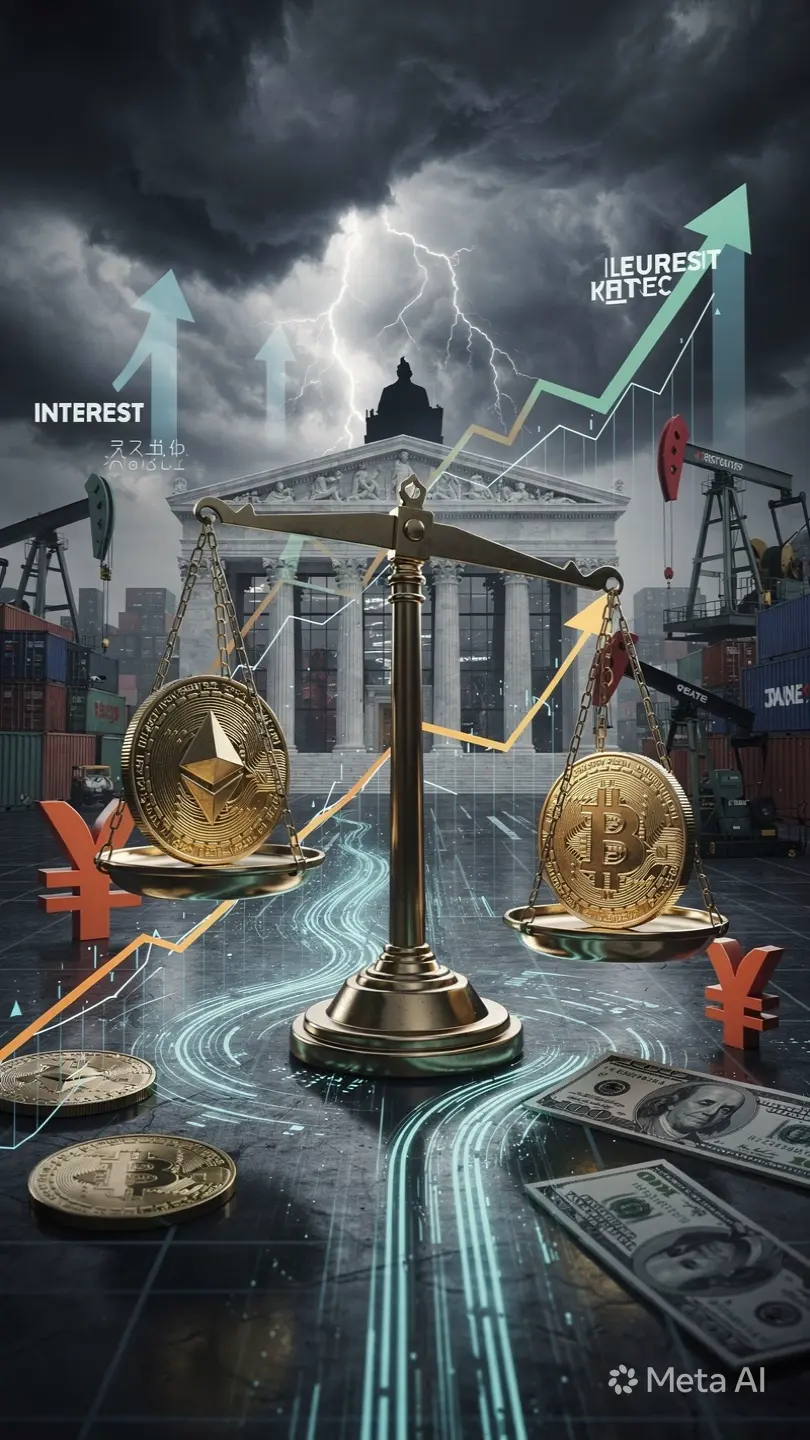
Most crypto holders do not watch oil prices. They watch BTC charts, ETH on-chain data, and token narratives. Oil feels like someone else's problem — something for energy traders and macro economists to worry about, not DeFi participants and Bitcoin stackers. That assumption is costing people money right now, and it has been costing people money since the beginning of 2026. Here is the reality check that this post is built around: **
post-image
post-image
  • Reward
  • 2
  • Repost
  • Share
discoveryvip:
To The Moon 🌕
View More
#CryptoMacro
The cryptocurrency market has become so attuned to macroeconomic shifts that a single remark from the Fed, a surprise inflation print, or even a 0.5-point move in the DXY can displace billions in liquidity within hours. As we discussed earlier, in 2026 interest rate decisions, liquidity conditions, and risk sentiment no longer merely steer Bitcoin’s direction. The most dramatic and explosive reactions appear in high-beta altcoins—assets with elevated sensitivity that amplify broader market moves.
These coins respond to macro signals more sharply and swiftly than Bitcoin because t
BTC3.89%
ETH4.45%
SOL2.8%
XRP3.54%
post-image
post-image
discoveryvip
the cryptocurrency market has long since outgrown its origins as a playground for tech enthusiasts and thrill-seeking speculators. It has evolved into a key arena where the pulse of the global economy is felt most acutely, battered by macroeconomic headwinds like never before. In 2026, particularly, decisions from the Federal Reserve on interest rates, the stubborn persistence of inflation, employment data, and the strength of the US dollar are dominating everything from Bitcoin to altcoins. This marks a maturation beyond mere “hype cycles” or meme-coin frenzies. The market now moves in lockstep with Wall Street, bringing both compelling opportunities and significant pitfalls.
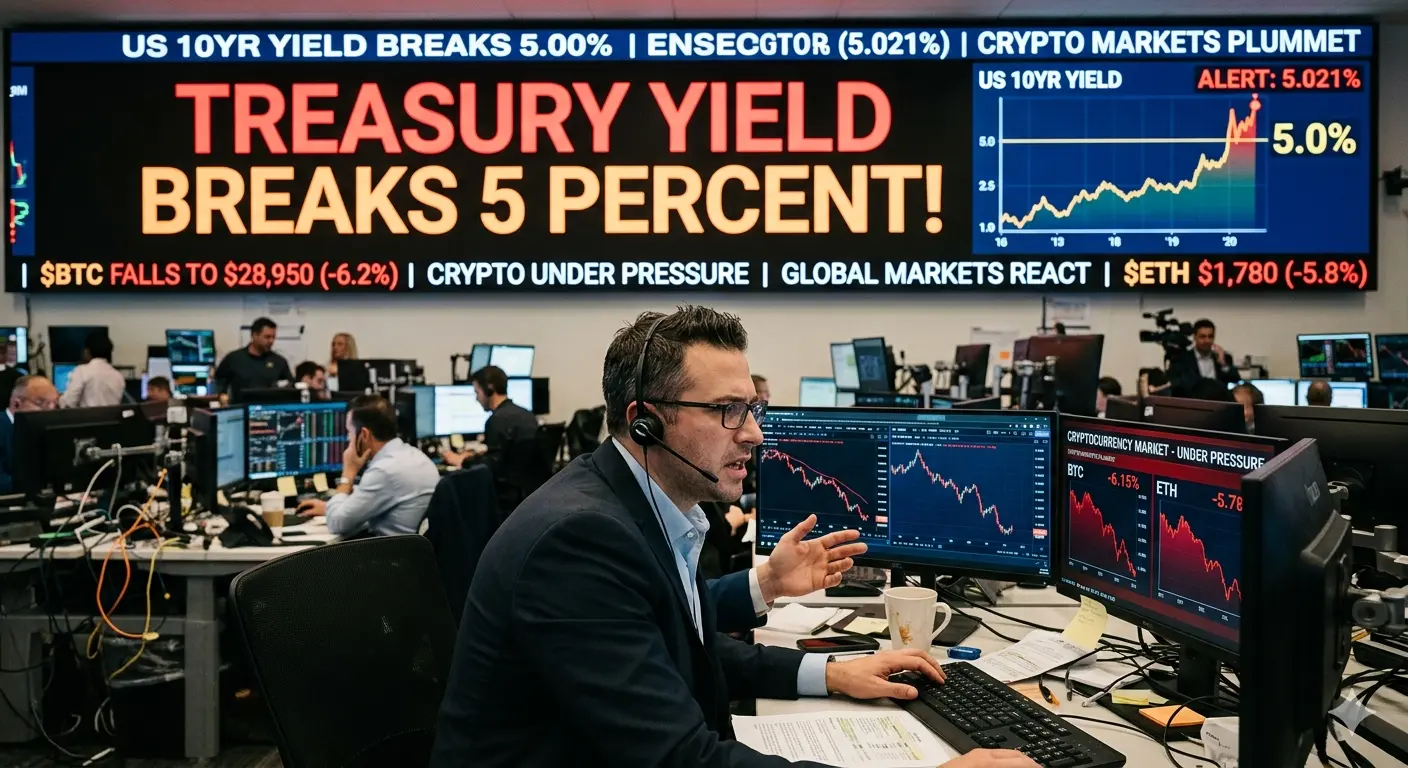
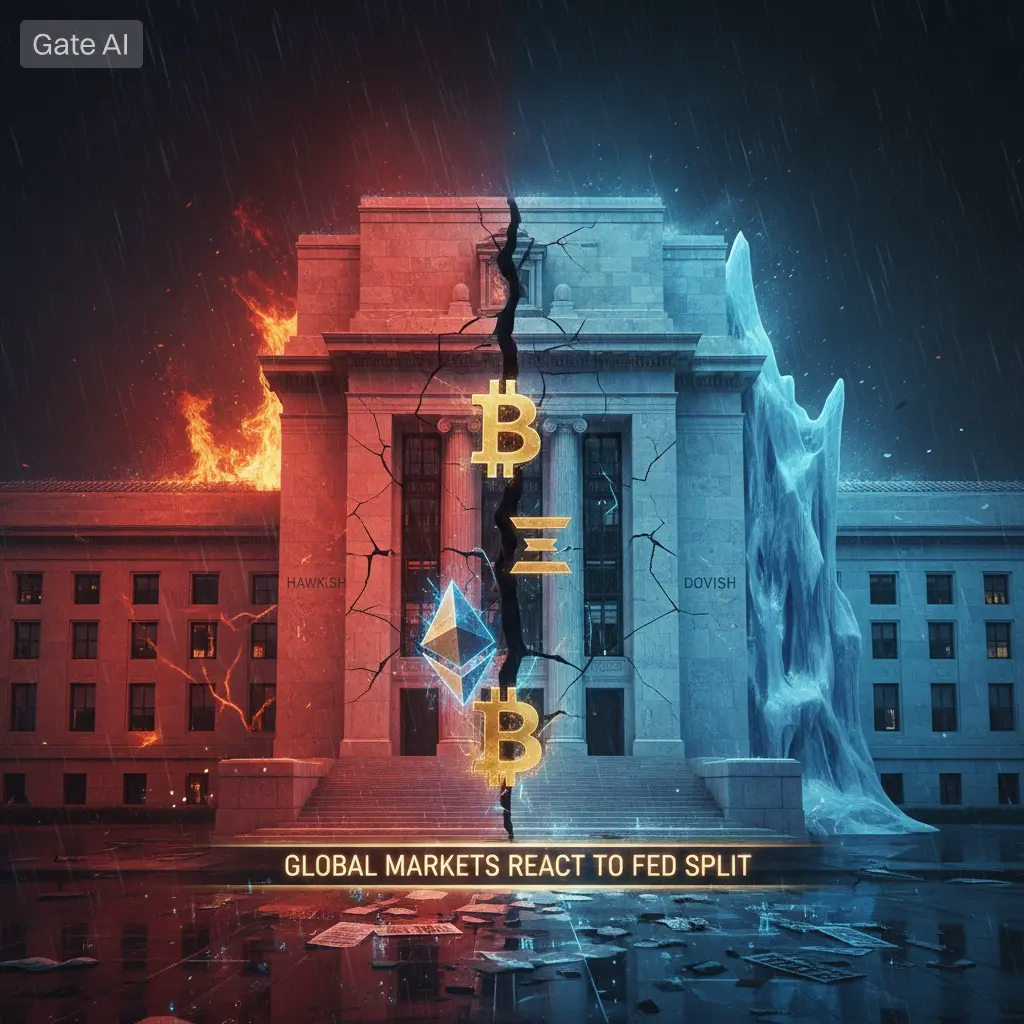
Consider this: In October 2025, Bitcoin surged to around $126,000, with everyone shouting about a “new paradigm.” ETF inflows, institutional money pouring in, and hopes for clearer regulations fueled the excitement. But then macroeconomic realities hit hard. The Fed’s March 2026 “hawkish hold”—keeping the federal funds rate steady in the 3.50–3.75% range—sent immediate shockwaves through the market. Bitcoin dropped nearly 5% in a single day, and the total crypto market cap retreated toward the $2.5 trillion level. Why? Higher interest rates raise borrowing costs, tighten liquidity, and push investors into “risk-off” mode. Crypto now behaves much like traditional risk assets, with its correlation to the Nasdaq growing stronger by the day. In low-rate environments (think 2020–2021), cheap money flooded into risky plays. In a “higher for longer” scenario, however, bonds and cash deposits suddenly look far more attractive.
So how exactly does this mechanism work? Interest rates are the cornerstone. Even the Fed’s decision to halt balance sheet reduction (QT) provided some initial relief, but the sticky nature of inflation—core PCE still hovering in the 2.6–2.9% range, with recent readings pushing toward 3.1%—has pushed rate-cut expectations back to September or later. Institutions like Goldman Sachs have shifted their forecasts for the first cut accordingly. What does this mean? A clear “wait-and-see” atmosphere prevails in the markets. The unemployment rate remains low at around 4.3–4.4%, signaling a resilient economy (the IMF projects US GDP growth of 2.4% for 2026). Yet this very resilience ties the Fed’s hands. Strong employment keeps wage pressures alive, while tariff disputes and energy price swings continue to stoke inflation. The end result? The liquidity boost that crypto craves keeps getting delayed.
A quick look at history offers valuable lessons. In 2022, the Fed’s aggressive rate hikes crushed the market—Bitcoin plunged from $69,000 all the way down to the $16,000 region. Conversely, the massive stimulus packages and near-zero rates of 2020 sent it rocketing higher. In 2026, we’re seeing a similar cycle, but one that feels more sophisticated: Institutional capital is actively involved (with ETF inflows reaching billions in certain months, such as the $1.32 billion net inflow in March 2026), yet leveraged positions are unwinding rapidly. Bitcoin sometimes acts as “digital gold,” offering a hedge against inflation, while at other times it falls in tandem with the Nasdaq. This duality is proof of the market’s growing maturity. It’s no longer just “crypto-native” investors calling the shots—macro hedge funds, institutional players, and even sovereign funds are now the decisive forces.
The U.S. Dollar Index (DXY) and Treasury yields remain critical variables too. A strong dollar triggers capital flight from emerging markets, and crypto feels the pain right alongside them. Geopolitical tensions—energy price volatility in the Middle East or tariff standoffs with China—can shatter risk appetite in an instant. On the brighter side, regulatory progress, such as steps toward the Digital Asset Market Clarity Act (often called the CLARITY Act), along with mainstream adoption of stablecoins in everyday payments, is providing structural long-term support. As Pantera Capital noted in its early-year analysis, 2026 isn’t shaping up as another hype-driven year; instead, it’s one of consolidation, adaptation, and genuine institutional capital flows.
What should investors take away from all this? First, keep the macroeconomic calendar front and center. PCE inflation releases, CPI prints, jobs reports, and Fed meetings now matter more than Bitcoin’s daily candles. Monitor liquidity conditions closely: When the Fed signals actual balance sheet expansion (real QE), risk assets tend to reignite. In your portfolio, treat Bitcoin as a potential store of value, while viewing altcoins as more cyclical, higher-beta plays. And remember: Crypto is no longer an isolated bubble. It’s deeply intertwined with broader structural trends—global debt levels, demographic pressures, and massive AI infrastructure spending. For the patient, 2026 may feel like a testing ground; but when the macro winds shift again (and they will), we could see a rally reminiscent of 2020.
In the end, the crypto market has become a mirror of the broader macroeconomic landscape. Some call this integration its “death,” others its “evolution.” I lean toward the latter. This deeper connection is making the sector more robust, more accessible, and ultimately more valuable. Only those who learn to read the signals correctly will thrive.
#CryptoMacro
#GateSquareAprilPostingChallenge
#Gate广场四月发帖挑战
#CreatorLeaderboard
repost-content-media
  • Reward
  • 14
  • Repost
  • Share
ybaservip:
2026 GOGOGO 👊
View More
#CryptoMacro 🌐📊
The crypto market now reacts faster to macroeconomic shifts than ever. A single Fed comment, an inflation surprise, or even a 0.5-point DXY move can displace billions in liquidity within hours.
In 2026, Bitcoin no longer moves alone—high-beta altcoins are the real macro amplifiers:
1️⃣ Ethereum (ETH) – Institutional high-beta leader
Moves 1.8–2.2x faster than Bitcoin in risk-on/risk-off cycles
Key driver: DeFi TVL, staking yields, ETH ETFs
Example: March FOMC → ETH down ~6% vs. Bitcoin’s 5%
2️⃣ Solana (SOL) – Ecosystem speed as a macro amplifier
Beta: 1.7–2.5 vs. Bitcoin
Rapi
BTC3.89%
ETH4.45%
SOL2.8%
XRP3.54%
post-image
post-image
  • Reward
  • 1
  • Repost
  • Share
ybaservip:
2026 GOGOGO 👊
#OilPricesRise
Oil is climbing again.
Not aggressively—but persistently.
And that kind of move tends to get ignored… until it doesn’t.
#OilPricesRise isn’t just a commodity headline.
It’s a quiet shift in the macro backdrop.
Energy prices creeping higher feed directly into inflation expectations.
And inflation expectations shape one thing crypto cares about most—
liquidity conditions.
Markets right now are stuck between optimism for easing…
and reality that inflation isn’t fully under control.
That tension is building.
Higher oil doesn’t crash crypto overnight.
It slowly tightens the environ
BTC3.89%
post-image
post-image
post-image
  • Reward
  • 7
  • Repost
  • Share
discoveryvip:
To The Moon 🌕
View More
#TetherEyes$500BFundraising 💰🌍
The crypto world is buzzing with one of the most significant stablecoin developments of 2026: Tether is reportedly planning a $500 billion fundraising initiative — a bold move that could reshape global crypto liquidity and market confidence.
This is not just a capital raise.
It’s a strategic statement
— one that signals Tether’s intent to solidify USDT’s position as the backbone of digital liquidity and potentially set new standards for stablecoin market infrastructure.
📌 Why This Matters
Stablecoins are the liquidity engine of crypto markets.
They serve as se
BTC3.89%
ETH4.45%
USDC0.01%
  • Reward
  • 19
  • Repost
  • Share
Miss_1903vip:
To The Moon 🌕
View More
🚨 #OilShockWave April 2026 – Energy Market Turning Point
The global oil market is no longer just rising — it is restructuring the entire financial landscape.
In April 2026, Brent crude is pushing toward $100, while WTI is holding firmly above $90, signaling not just a rally, but a high-conviction macro shift driven by supply stress, geopolitical pressure, and aggressive demand expansion.
⚡ Supply Side Is Breaking Balance
The supply story is tightening fast:
OPEC+ cuts remain active, removing over 1M barrels/day
U.S. shale growth is slower than expected, constrained by cost and labor
Strategic
BTC3.89%
ETH4.45%
post-image
  • Reward
  • 2
  • Repost
  • Share
Luna_Starvip:
To The Moon 🌕
View More
#BOJAnnouncesMarchPolicy
💥 End of an Era: BOJ Exits Negative Rates
History broke today. The Bank of Japan finally pivoted from its ultra-loose policy, ending years of cheap Yen fueling global carry trades. The immediate impact? Risk assets, crypto included, are feeling the squeeze.
Key Takeaways:
$USD/JPY Watch: A stronger Yen tightens global liquidity. Risk assets could see short-term pressure. Stability first, leverage later.
Macro Divergence: Fed "Higher for Longer," BOJ just starting hikes. Noise is high—stick to high-conviction positions like $GT and $BTC.
Volatility = Opportunity: Stru
GT0.61%
BTC3.89%
post-image
[The user has shared his/her trading data. Go to the App to view more.]
  • Reward
  • 5
  • Repost
  • Share
Luna_Starvip:
Ape In 🚀
View More
#IEAReleases400MBarrelsFromOilReserves
Energy markets and crypto markets may seem unrelated, but macroeconomic factors often connect them. The release of large oil reserves by global agencies can influence inflation expectations and financial market sentiment.
Economic policies that affect energy prices can indirectly influence cryptocurrency markets as investors reassess risk and capital allocation.
Understanding macroeconomic developments helps traders view the crypto market within the broader context of global financial dynamics.
#GlobalEconomy
#OilMarkets
#CryptoMacro
post-image
  • Reward
  • 4
  • Repost
  • Share
Crypto_Teachervip:
🚀 “Next-level energy here — can feel the momentum building!”
View More
#CrudeOilPriceRose event hit my portfolio, I made specific changes:
1. I Watch Oil Futures Now
Every morning, I check WTI and Brent. Not just the price—the futures curve. Is it in contango or backwardation? That tells me what physical traders actually think about supply/demand.
2. I Adjust Position Sizing Before Key Oil Reports
EIA inventory reports drop every Wednesday. OPEC meetings happen periodically. I now lighten up my crypto exposure before these events. Why risk it?
3. I Look for Oil-Sensitive Crypto Plays
Some crypto projects actually benefit from high oil prices:
· Energy trading pla
BTC3.89%
post-image
post-image
  • Reward
  • 16
  • Repost
  • Share
BeautifulDayvip:
To The Moon 🌕
View More
Load More