


#StablecoinReserveDrops
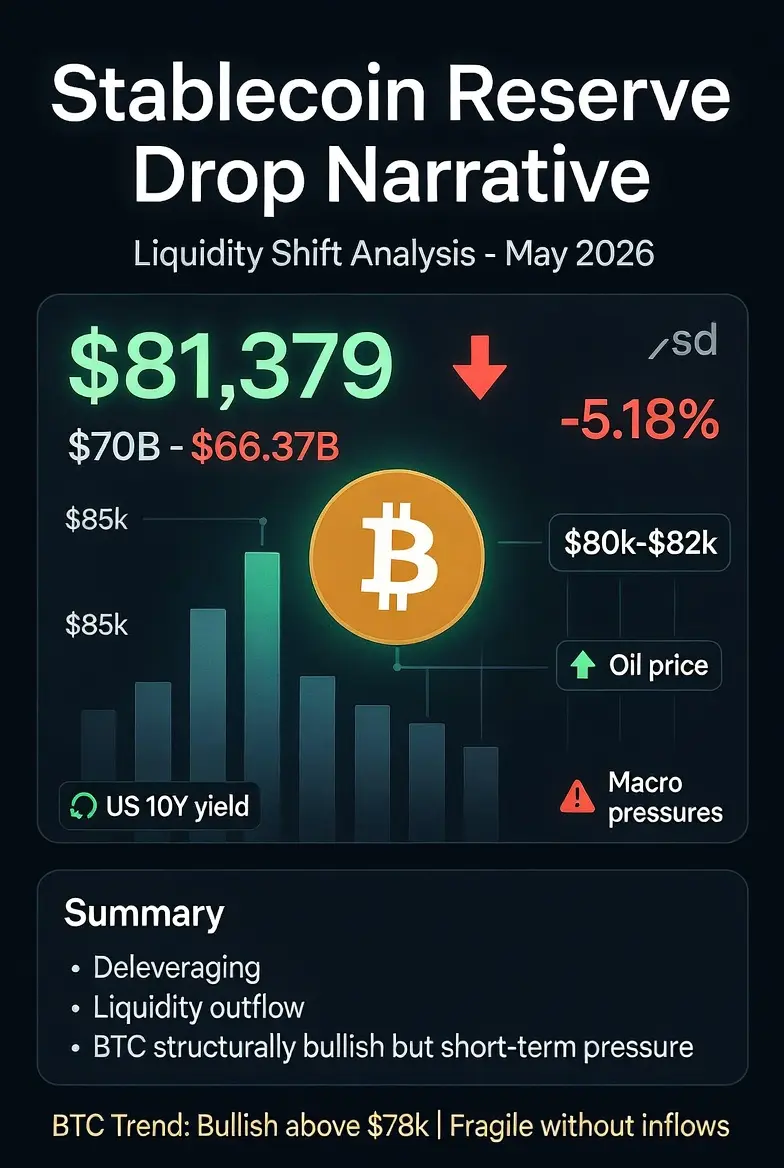
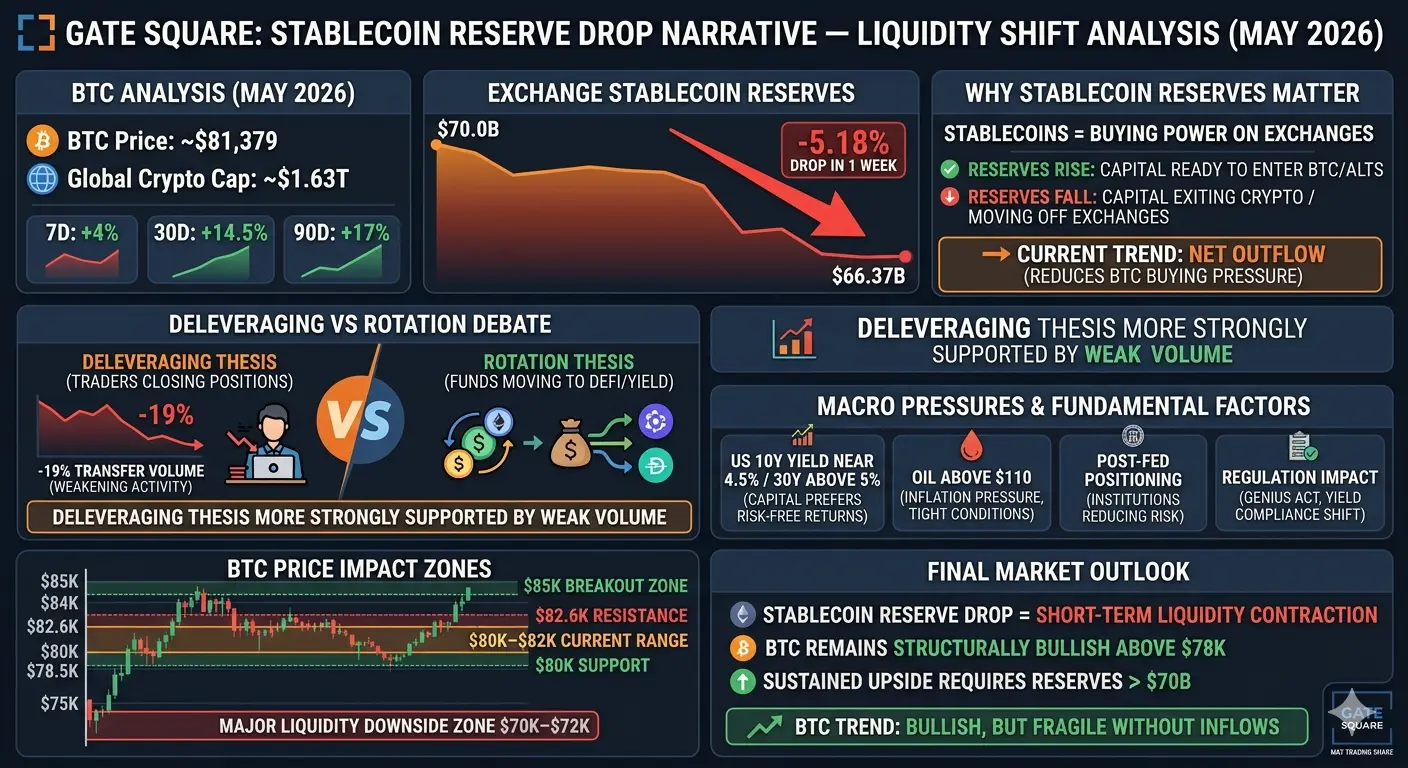
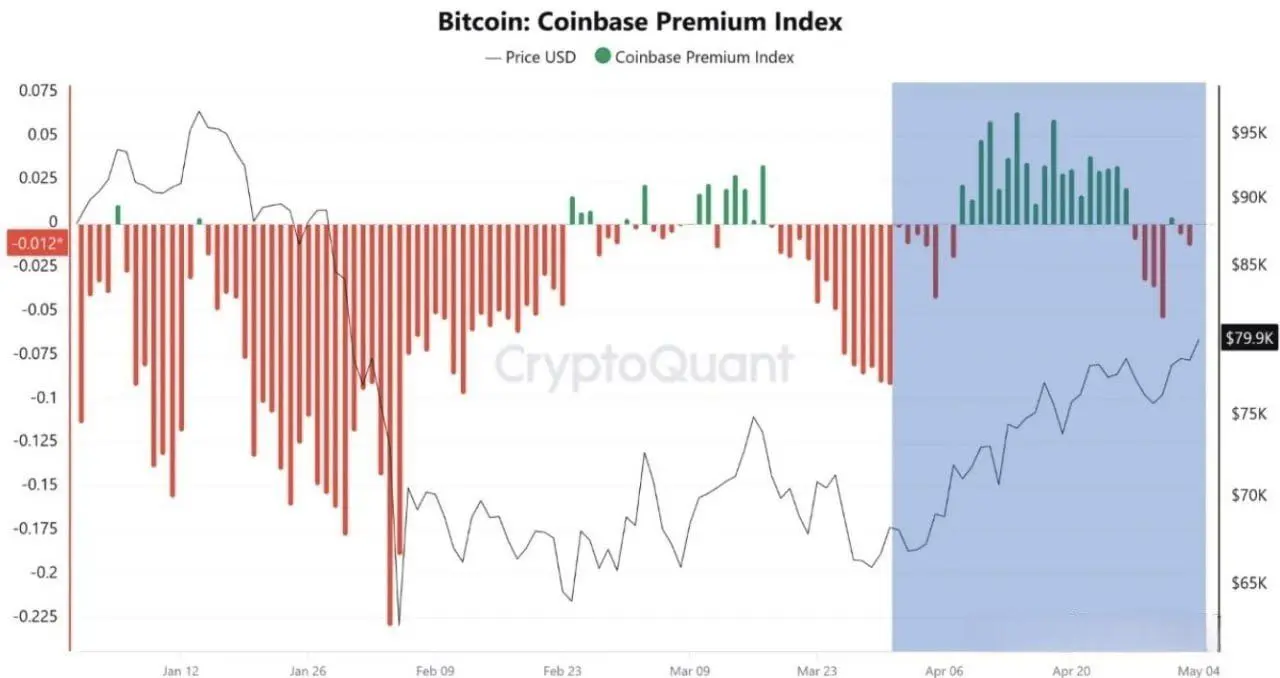
Bitcoin (BTC) is currently trading around $81,379, while the broader market cap holds near $1.63 trillion. Even with BTC showing +4% (7D), +14.5% (30D), and +17% (90D) growth, a major liquidity warning signal is emerging from stablecoin data.
Exchange stablecoin reserves have dropped sharply by 5.18% in one week, falling from about $70B to $66.37B. This happened while BTC remained strong near the $80k–$81k zone, which makes the signal more important. Normally, rising BTC prices attract stablecoin inflows into exchanges. But now the opposite is happening — liquidity is leaving.
Why This Matters for BTC Price Action
Stablecoins on exchanges represent direct buying power. When reserves rise, it means capital is ready to enter BTC and altcoins. When reserves fall, it means either: • capital is exiting crypto entirely, or
• funds are moving off exchanges into non-trading uses
Current data shows a third scenario: net outflow from the crypto trading system. This reduces immediate BTC buying pressure even if long-term sentiment remains positive.
Macro Pressure Behind the Move
Several macro forces are influencing this liquidity shift: • US 10Y yield near 4.5% and 30Y above 5% → capital prefers risk-free returns over crypto exposure
• Oil above $110 → inflation pressure keeps financial conditions tight
• Post-Fed positioning → institutions reducing risk exposure after policy uncertainty
These conditions encourage capital to move from crypto exchanges into bonds and cash equivalents instead of staying in BTC trading cycles.
Deleveraging vs Rotation Debate
Two interpretations exist: • Deleveraging view: traders are closing leveraged BTC positions and reducing risk
• Rotation view: funds are moving into DeFi or yield products
However, transfer volume data (-19%) suggests weakening activity rather than active rotation, supporting the deleveraging thesis more strongly.
Stablecoin Market Paradox
Total stablecoin supply has reached around $305B–$321B (record highs), yet exchange reserves are falling. This shows a structural shift: • stablecoins are growing in payments and settlement
• but shrinking in trading-based liquidity for BTC
This explains why BTC can rise structurally but still face weak continuation phases when reserves decline.
Regulation Impact on Liquidity
Recent policy changes also matter: • Stablecoin yield restrictions reduce incentive to hold balances on exchanges
• GENIUS Act rules increase compliance and shift stablecoins toward regulated banking systems
• Issuers like Tether now allocate more reserves into US Treasuries (~$117B), not crypto markets
This strengthens stablecoin legitimacy but reduces direct BTC market fuel.
BTC Price Impact Zones
With liquidity tightening, key BTC levels become more important: • Current range: $80k–$82k
• Resistance: $82.6k → $84k → $85k breakout zone
• Support: $80k → $78.5k → $75k
• Major liquidity downside zone: $70k–$72k
As long as BTC holds above $78k–$80k, structure remains stable, but sustained upside requires stablecoin reserves to rebuild above $70B.
Final Outlook
The stablecoin reserve drop signals a short-term liquidity contraction, not a breakdown of long-term adoption. BTC remains structurally bullish, but price momentum may slow without renewed exchange inflows.
In simple terms: • Stablecoin growth = long-term bullish infrastructure
• Exchange reserve drop = short-term BTC liquidity pressure
• BTC trend = still bullish above $78k, but fragile without fresh inflows
Market direction now depends heavily on whether stablecoin reserves recover or continue draining below current levels.
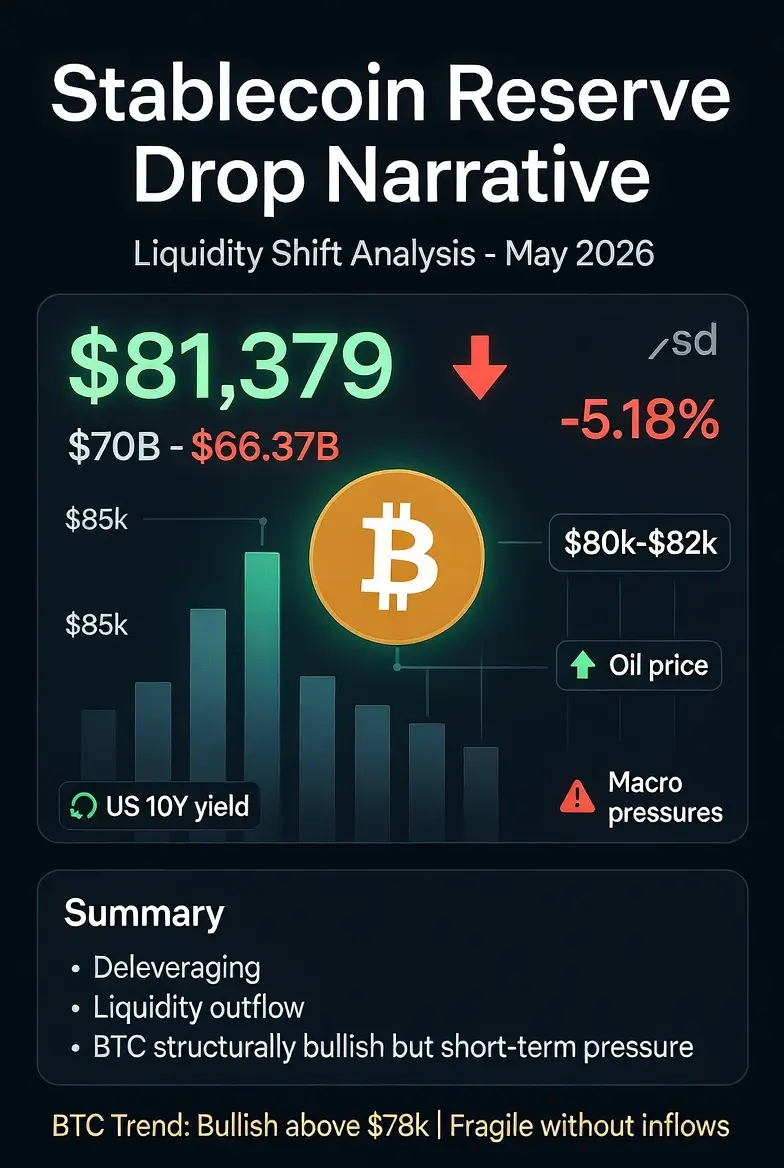
Bitcoin (BTC) is currently trading around $81,379, while the broader market cap holds near $1.63 trillion. Even with BTC showing +4% (7D), +14.5% (30D), and +17% (90D) growth, a major liquidity warning signal is emerging from stablecoin data.
Exchange stablecoin reserves have dropped sharply by 5.18% in one week, falling from about $70B to $66.37B. This happened while BTC remained strong near the $80k–$81k zone, which makes the signal more important. Normally, rising BTC prices attract stablecoin inflows into exchanges. But now the opposite is happening — liquidity is leaving.
Why This Matters for BTC Price Action
Stablecoins on exchanges represent direct buying power. When reserves rise, it means capital is ready to enter BTC and altcoins. When reserves fall, it means either: • capital is exiting crypto entirely, or
• funds are moving off exchanges into non-trading uses
Current data shows a third scenario: net outflow from the crypto trading system. This reduces immediate BTC buying pressure even if long-term sentiment remains positive.
Macro Pressure Behind the Move
Several macro forces are influencing this liquidity shift: • US 10Y yield near 4.5% and 30Y above 5% → capital prefers risk-free returns over crypto exposure
• Oil above $110 → inflation pressure keeps financial conditions tight
• Post-Fed positioning → institutions reducing risk exposure after policy uncertainty
These conditions encourage capital to move from crypto exchanges into bonds and cash equivalents instead of staying in BTC trading cycles.
Deleveraging vs Rotation Debate
Two interpretations exist: • Deleveraging view: traders are closing leveraged BTC positions and reducing risk
• Rotation view: funds are moving into DeFi or yield products
However, transfer volume data (-19%) suggests weakening activity rather than active rotation, supporting the deleveraging thesis more strongly.
Stablecoin Market Paradox
Total stablecoin supply has reached around $305B–$321B (record highs), yet exchange reserves are falling. This shows a structural shift: • stablecoins are growing in payments and settlement
• but shrinking in trading-based liquidity for BTC
This explains why BTC can rise structurally but still face weak continuation phases when reserves decline.
Regulation Impact on Liquidity
Recent policy changes also matter: • Stablecoin yield restrictions reduce incentive to hold balances on exchanges
• GENIUS Act rules increase compliance and shift stablecoins toward regulated banking systems
• Issuers like Tether now allocate more reserves into US Treasuries (~$117B), not crypto markets
This strengthens stablecoin legitimacy but reduces direct BTC market fuel.
BTC Price Impact Zones
With liquidity tightening, key BTC levels become more important: • Current range: $80k–$82k
• Resistance: $82.6k → $84k → $85k breakout zone
• Support: $80k → $78.5k → $75k
• Major liquidity downside zone: $70k–$72k
As long as BTC holds above $78k–$80k, structure remains stable, but sustained upside requires stablecoin reserves to rebuild above $70B.
Final Outlook
The stablecoin reserve drop signals a short-term liquidity contraction, not a breakdown of long-term adoption. BTC remains structurally bullish, but price momentum may slow without renewed exchange inflows.
In simple terms: • Stablecoin growth = long-term bullish infrastructure
• Exchange reserve drop = short-term BTC liquidity pressure
• BTC trend = still bullish above $78k, but fragile without fresh inflows
Market direction now depends heavily on whether stablecoin reserves recover or continue draining below current levels.