







#GeopoliticalRisk #WHCADinnerShootingIncident
Impact of the WHCA Dinner Shooting on Crypto: Risk Perception, Liquidity, and Institutional Behavior
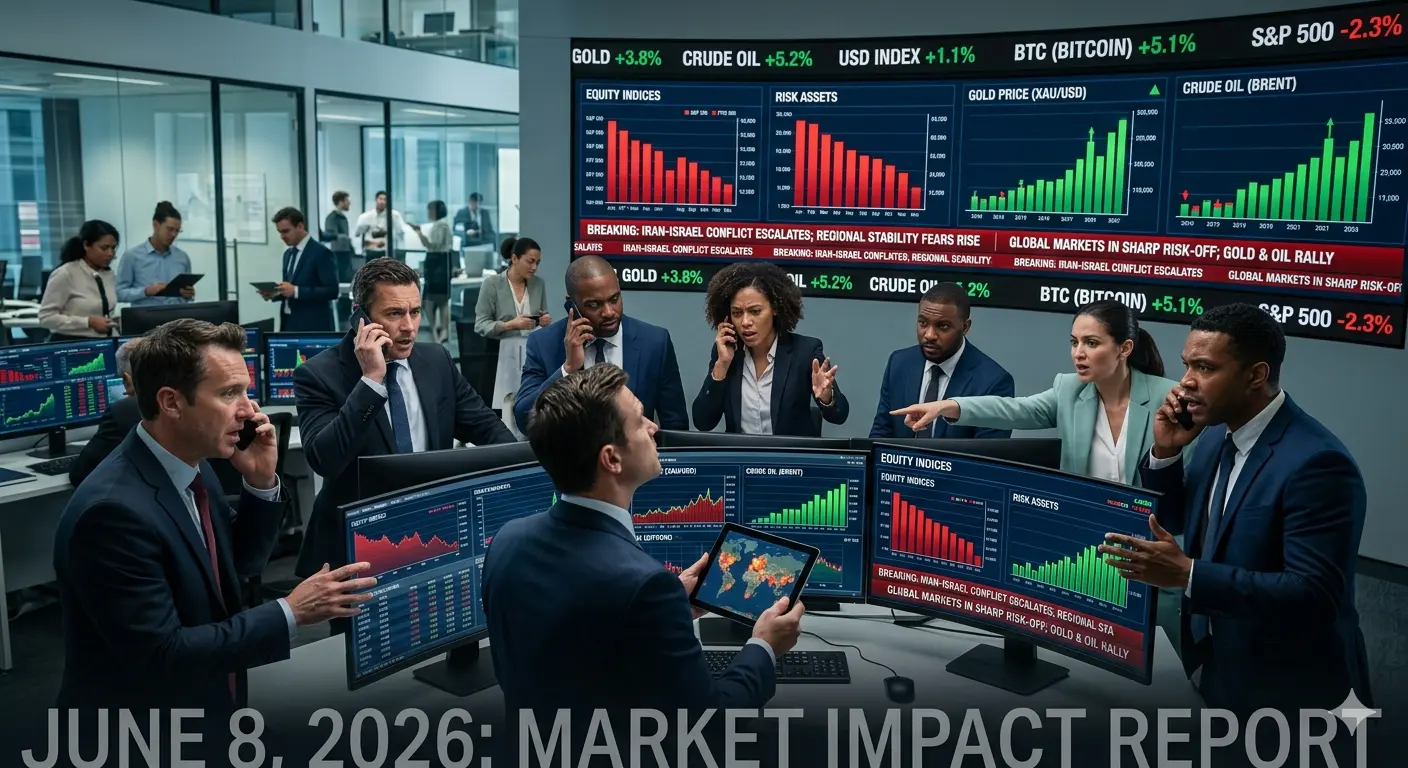
The armed attack on April 25, 2026, at the White House Correspondents’ Association (WHCA) Dinner at the Washington Hilton did more than shake political security protocols — it briefly rattled global risk assets. With President Donald Trump, cabinet members, and 2,600 guests in attendance, shots fired inside the venue brought the “political violence premium” back into focus. Crypto, as one of the asset classes most sensitive to geopolitical shocks, felt the effects across several fronts, from on-chain data to ETF flows.
1. Initial Reaction: Risk-Off Moment and Fast Rebound
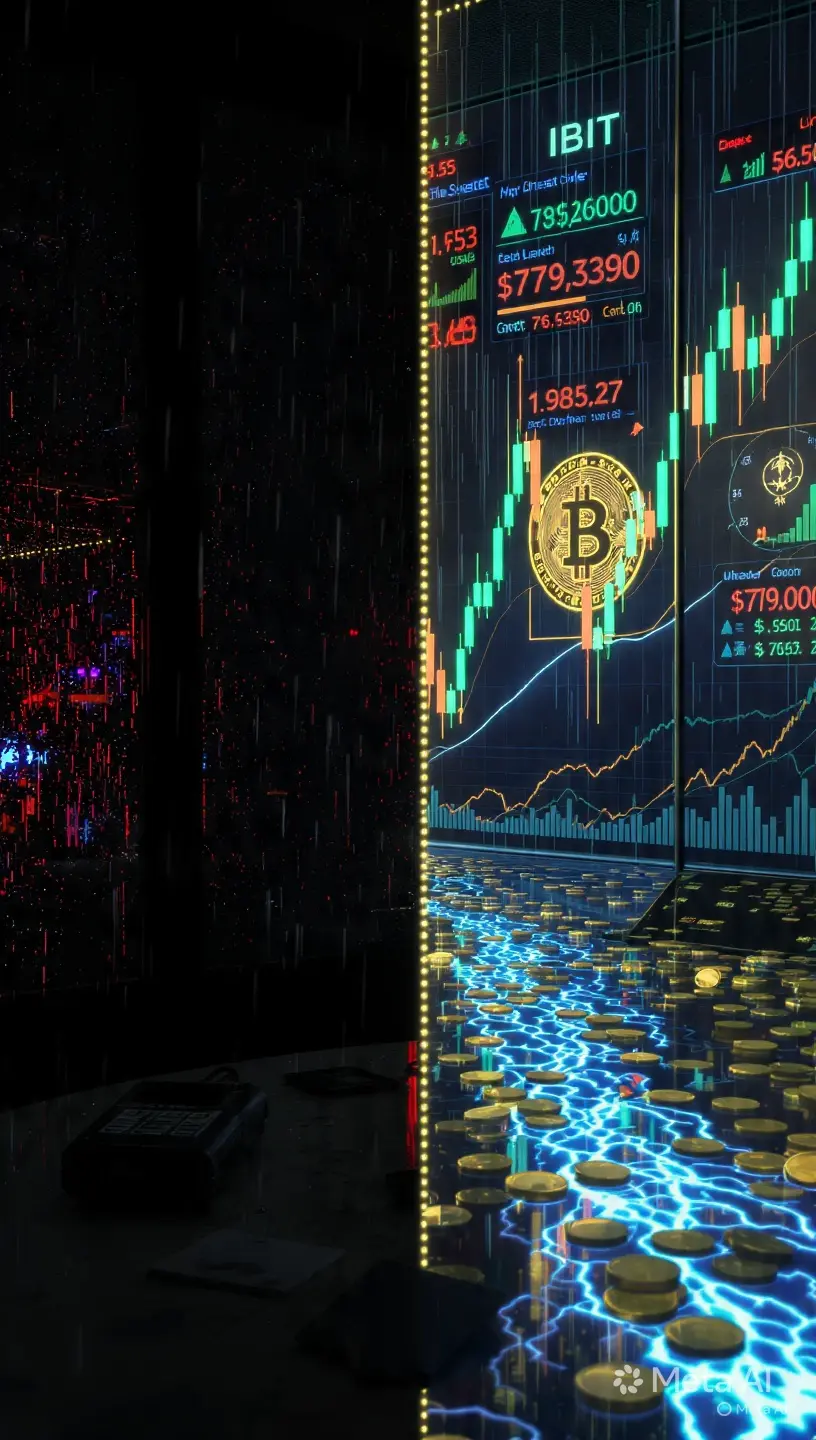
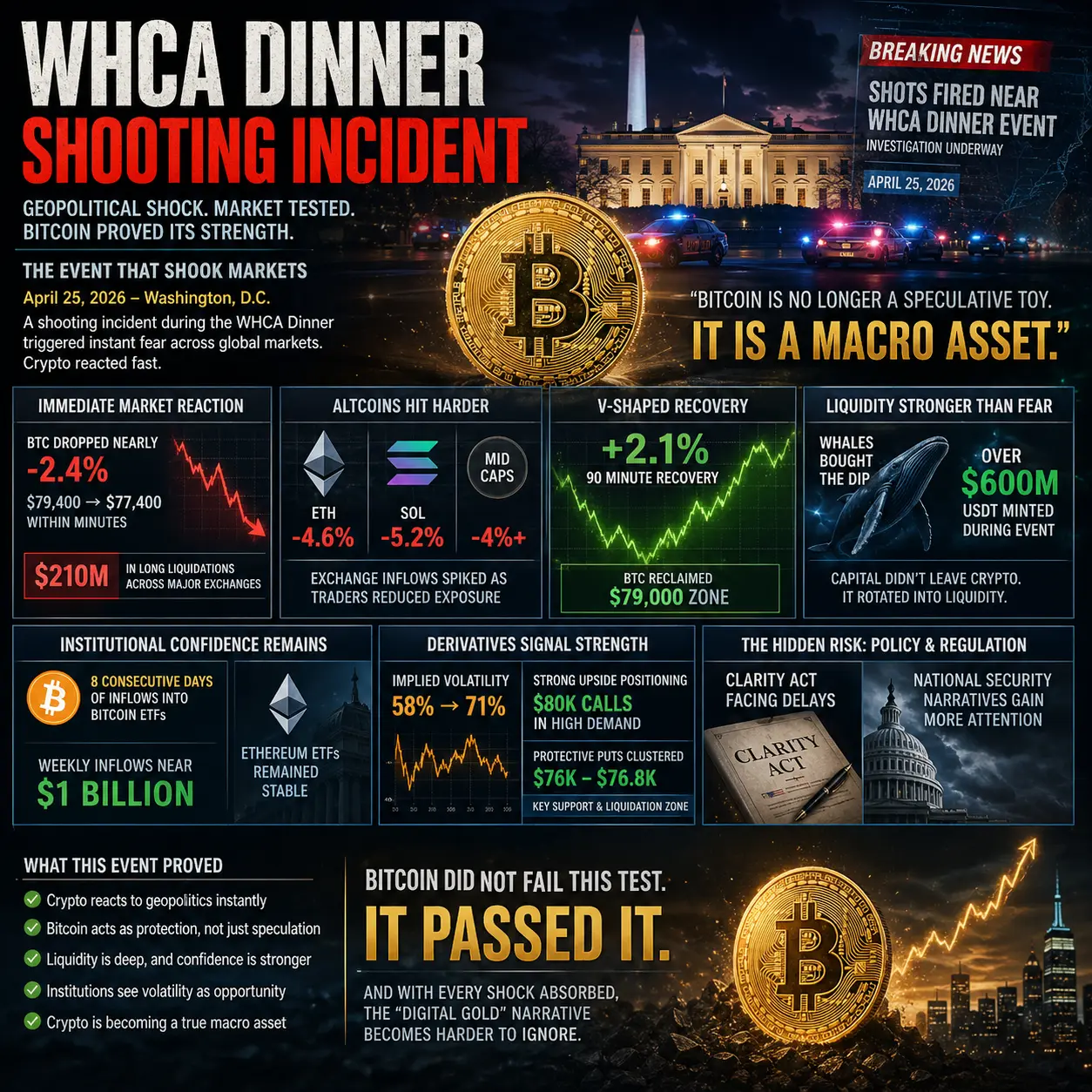
When news of the attack hit wires around 8:40 p.m. ET, Bitcoin pulled back from $79,327 to $77,390, a ∼2.4% drop. Ethereum and Solana saw similar intraday selling. Roughly $210 million in crypto long positions were liquidated within an hour. But after President Trump and the Secret Service issued “situation under control” statements, prices recovered ∼80% of losses within 90 minutes. By Monday morning, Bitcoin was back above $79,000.
This V-shaped move mirrors the pattern seen during the two assassination attempts on Trump in the 2024 campaign: an initial shock sell-off, followed by rapid buying on the perception that “the system worked.” The market prices political violence as a tail risk, not an ongoing one.
2. Liquidity and Safe-Haven Debate
The clearest divergence post-incident was between Bitcoin and altcoins. While BTC fell 2.4% and recovered quickly, total altcoin market cap dropped 4.1% and took six hours to bounce. On-chain data showed whale wallets buying the BTC dip, while ETH and SOL saw rising exchange inflows. This was a real-time stress test of the “digital gold” narrative: in a crisis, institutional capital shelters in Bitcoin first.
Stablecoins told the opposite story. USDT supply increased by $600 million on the night of the attack. Traders parked capital in stablecoins instead of exiting to fiat. It’s the strongest “return of liquidity” signal since the October 2025 crash and shows crypto-native risk appetite didn’t die.
3. ETF Flows: Institutions Didn’t Panic
Spot Bitcoin ETFs recorded eight straight days of net inflows, including the day of the attack. IBIT took in $223 million on April 23 alone, with weekly totals topping $996 million. Ethereum ETFs also saw $495.75 million in net inflows for April. Institutional investors are classifying political violence as “event risk,” not “systemic risk.” Strategy’s purchase of 34,164 BTC in the week of April 19 supports this: corporates allocating from their balance sheets don’t trade on headlines.
4. Volatility and Options Market
Deribit data shows 1-week ATM Bitcoin implied volatility jumped from 58% to 71% after the attack, then cooled to 62% within 24 hours. Open interest in $80,000 calls rose 14%. Traders priced in “incident over, uptrend resumes.” Still, demand for protection in $76,000 puts increased. The market continues to watch the $879 million in long liquidations clustered at $76,829.
5. Regulatory and Reputational Risk: The Second-Order Effect
The longer-term crypto risk from the incident is regulatory reaction. The Senate Banking Committee had planned to mark up the CLARITY Act in mid-April. After the WHCA shooting, a “national security” framing could dominate, and the crypto bill may be delayed by “extremism financing” debates. Polymarket odds for the law passing in 2026 dropped from 82% in February to 50% after the attack. Regulatory uncertainty pushes back catalysts for U.S.-centric projects like XRP and Solana.
6. Political Violence Premium: A New Normal?
Two assassination attempts on Trump in 2024, now the 2026 WHCA attack. Markets no longer price U.S. political violence at “zero probability.” Bitcoin’s 30-day correlation with the Nasdaq was 0.82 before the attack and fell to 0.76 after. The brief decoupling gives room for the “digital gold” narrative. But a lasting premium requires repeated incidents. For now, the impact remains “noise” level.
Conclusion: Passed the Stress Test, but Questions Remain
The WHCA attack showed crypto’s resilience to political shocks: Bitcoin recovered in 2 hours, ETF inflows held, USDT supply grew. That’s a different picture from the 2022 FTX collapse or October 2025 crash. Institutional infrastructure can absorb panic selling.
Still, three risks remain:
1. Regulatory delay: If the CLARITY Act shifts to a security focus, U.S.-listed tokens face pressure. 2. Liquidity fragility: $879 million in long liquidations still sit below $76,829. 3. Recurrence risk: If political violence becomes a series, a “country risk premium” could stick to all U.S. assets, crypto included.
In short, #WHCADinnerShootingIncident wasn’t a crash for crypto — it was a stress test. The test was passed. But the era when politics and markets moved separately is over. Every headline now gets written to the chain.
#Crypto #PoliticalViolence
Impact of the WHCA Dinner Shooting on Crypto: Risk Perception, Liquidity, and Institutional Behavior
The armed attack on April 25, 2026, at the White House Correspondents’ Association (WHCA) Dinner at the Washington Hilton did more than shake political security protocols — it briefly rattled global risk assets. With President Donald Trump, cabinet members, and 2,600 guests in attendance, shots fired inside the venue brought the “political violence premium” back into focus. Crypto, as one of the asset classes most sensitive to geopolitical shocks, felt the effects across several fronts, from on-chain data to ETF flows.
1. Initial Reaction: Risk-Off Moment and Fast Rebound
When news of the attack hit wires around 8:40 p.m. ET, Bitcoin pulled back from $79,327 to $77,390, a ∼2.4% drop. Ethereum and Solana saw similar intraday selling. Roughly $210 million in crypto long positions were liquidated within an hour. But after President Trump and the Secret Service issued “situation under control” statements, prices recovered ∼80% of losses within 90 minutes. By Monday morning, Bitcoin was back above $79,000.
This V-shaped move mirrors the pattern seen during the two assassination attempts on Trump in the 2024 campaign: an initial shock sell-off, followed by rapid buying on the perception that “the system worked.” The market prices political violence as a tail risk, not an ongoing one.
2. Liquidity and Safe-Haven Debate
The clearest divergence post-incident was between Bitcoin and altcoins. While BTC fell 2.4% and recovered quickly, total altcoin market cap dropped 4.1% and took six hours to bounce. On-chain data showed whale wallets buying the BTC dip, while ETH and SOL saw rising exchange inflows. This was a real-time stress test of the “digital gold” narrative: in a crisis, institutional capital shelters in Bitcoin first.
Stablecoins told the opposite story. USDT supply increased by $600 million on the night of the attack. Traders parked capital in stablecoins instead of exiting to fiat. It’s the strongest “return of liquidity” signal since the October 2025 crash and shows crypto-native risk appetite didn’t die.
3. ETF Flows: Institutions Didn’t Panic
Spot Bitcoin ETFs recorded eight straight days of net inflows, including the day of the attack. IBIT took in $223 million on April 23 alone, with weekly totals topping $996 million. Ethereum ETFs also saw $495.75 million in net inflows for April. Institutional investors are classifying political violence as “event risk,” not “systemic risk.” Strategy’s purchase of 34,164 BTC in the week of April 19 supports this: corporates allocating from their balance sheets don’t trade on headlines.
4. Volatility and Options Market
Deribit data shows 1-week ATM Bitcoin implied volatility jumped from 58% to 71% after the attack, then cooled to 62% within 24 hours. Open interest in $80,000 calls rose 14%. Traders priced in “incident over, uptrend resumes.” Still, demand for protection in $76,000 puts increased. The market continues to watch the $879 million in long liquidations clustered at $76,829.
5. Regulatory and Reputational Risk: The Second-Order Effect
The longer-term crypto risk from the incident is regulatory reaction. The Senate Banking Committee had planned to mark up the CLARITY Act in mid-April. After the WHCA shooting, a “national security” framing could dominate, and the crypto bill may be delayed by “extremism financing” debates. Polymarket odds for the law passing in 2026 dropped from 82% in February to 50% after the attack. Regulatory uncertainty pushes back catalysts for U.S.-centric projects like XRP and Solana.
6. Political Violence Premium: A New Normal?
Two assassination attempts on Trump in 2024, now the 2026 WHCA attack. Markets no longer price U.S. political violence at “zero probability.” Bitcoin’s 30-day correlation with the Nasdaq was 0.82 before the attack and fell to 0.76 after. The brief decoupling gives room for the “digital gold” narrative. But a lasting premium requires repeated incidents. For now, the impact remains “noise” level.
Conclusion: Passed the Stress Test, but Questions Remain
The WHCA attack showed crypto’s resilience to political shocks: Bitcoin recovered in 2 hours, ETF inflows held, USDT supply grew. That’s a different picture from the 2022 FTX collapse or October 2025 crash. Institutional infrastructure can absorb panic selling.
Still, three risks remain:
1. Regulatory delay: If the CLARITY Act shifts to a security focus, U.S.-listed tokens face pressure. 2. Liquidity fragility: $879 million in long liquidations still sit below $76,829. 3. Recurrence risk: If political violence becomes a series, a “country risk premium” could stick to all U.S. assets, crypto included.
In short, #WHCADinnerShootingIncident wasn’t a crash for crypto — it was a stress test. The test was passed. But the era when politics and markets moved separately is over. Every headline now gets written to the chain.
#Crypto #PoliticalViolence