🚀 Gate Square Creator Carnival: Create, Engage, and Win Big! 🎉
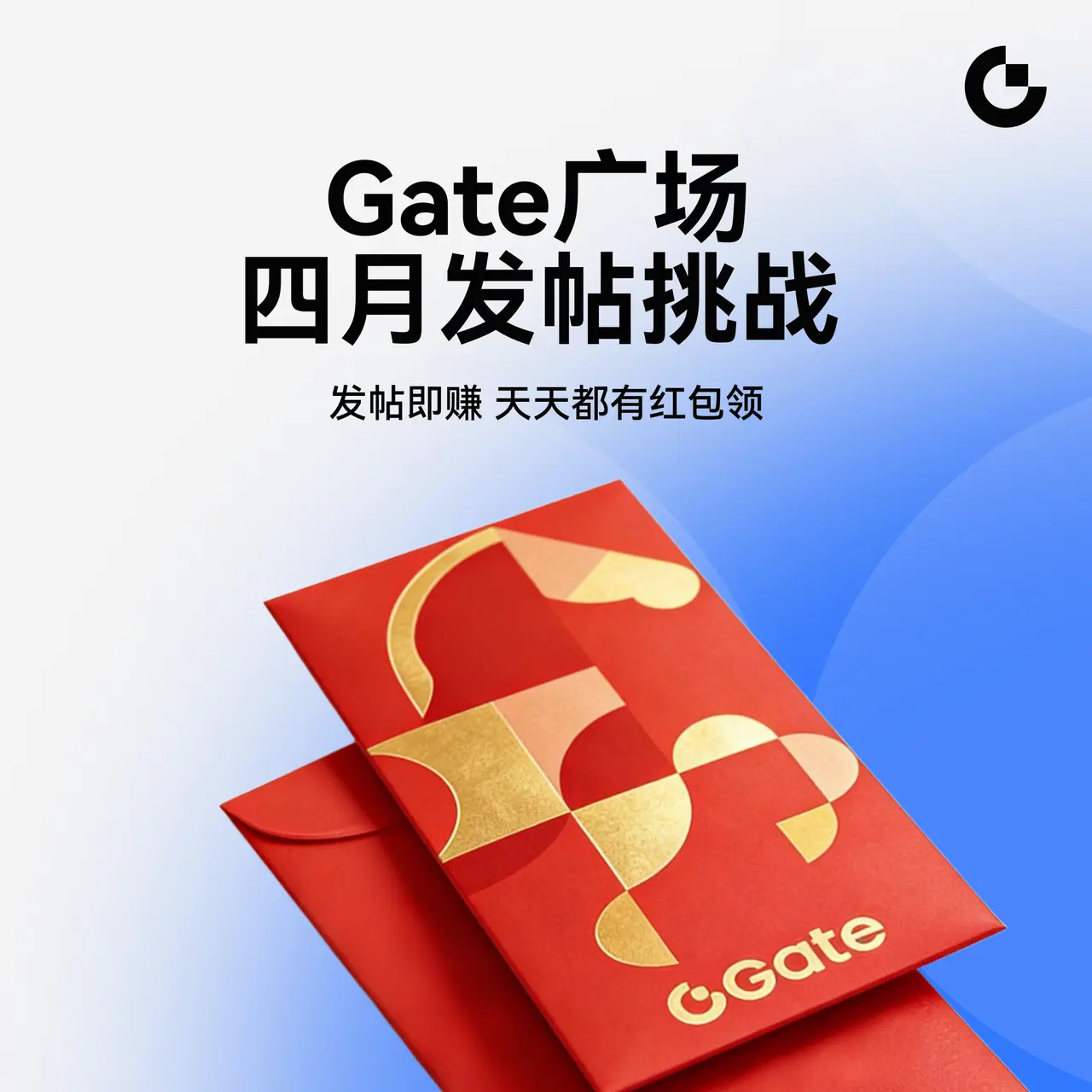
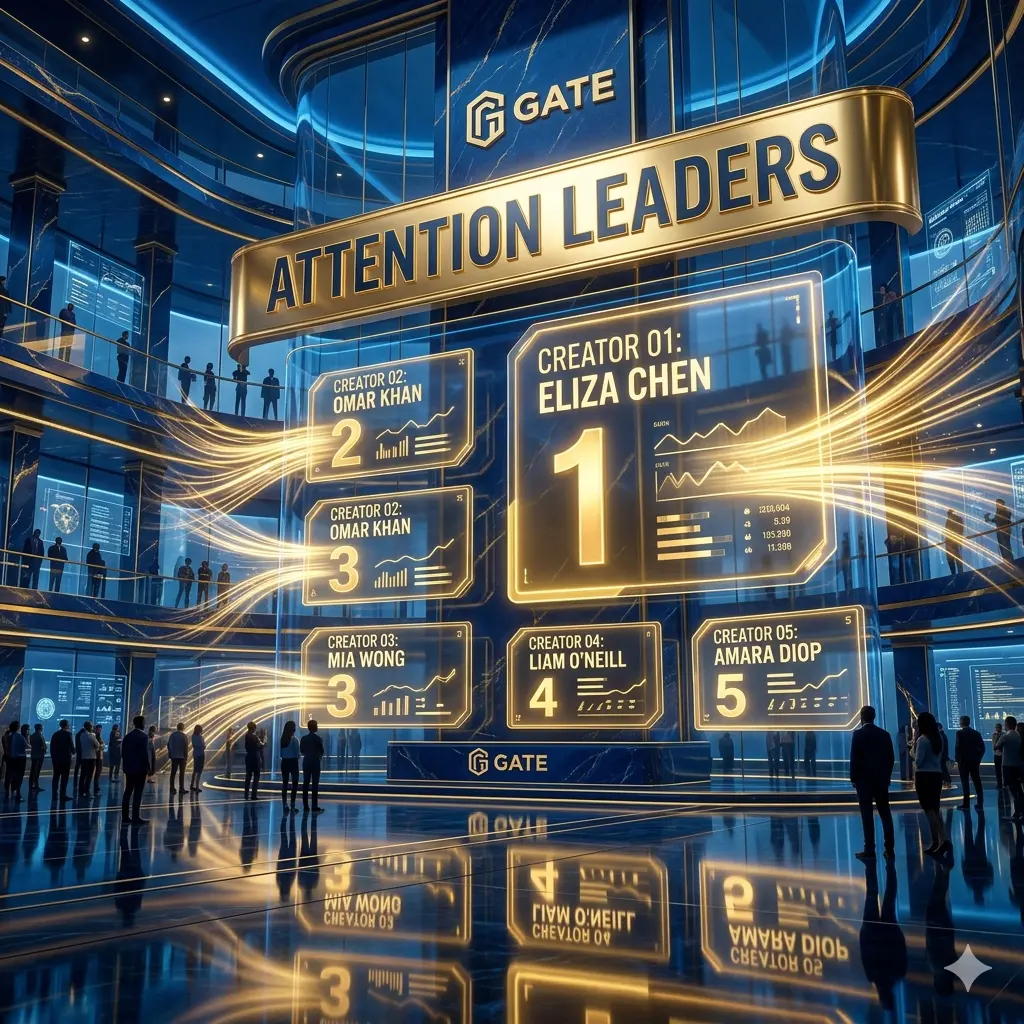
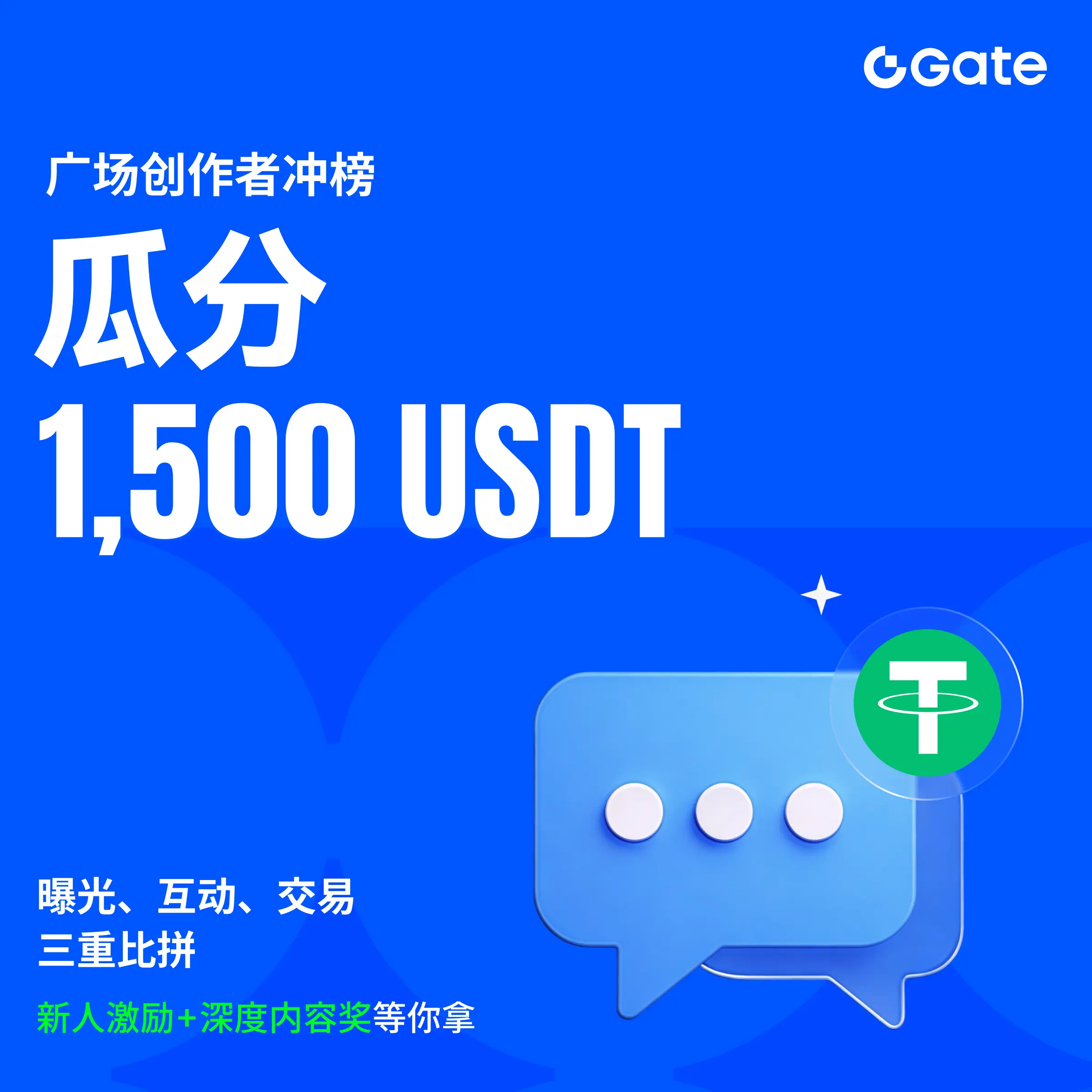
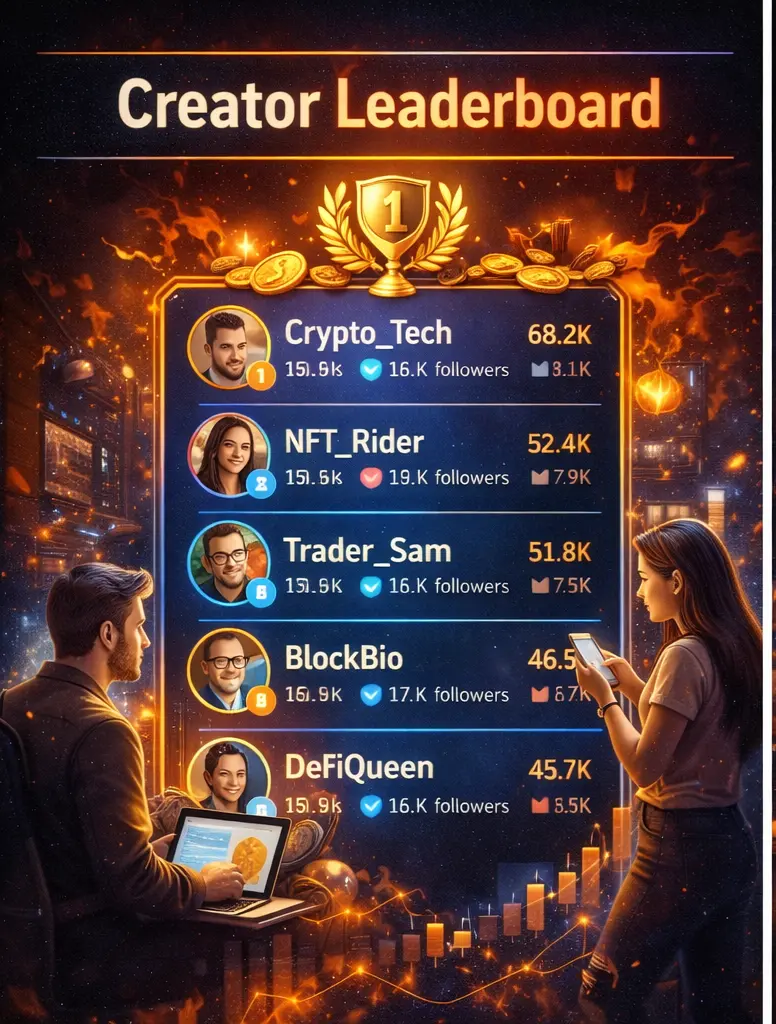
The Gate Square Creator Carnival has officially kicked off, bringing an exciting and rewarding opportunity for creators, crypto enthusiasts, and community members to showcase their creativity, share valuable insights, and earn from a massive 2,000 USDT prize pool along with exclusive anniversary gift packs. Running from April 8 to April 22, this limited-time event is designed to transform the way users interact with content by combining creativity, engagement, and consistency into a competitive and rewarding experience. Whether you are an experienced content creator or someone just stepping into the world of Web3, this event offers a perfect platform to amplify your voice, build your presence, and connect with a vibrant global community. At the heart of the carnival lies the leaderboard competition, where participants compete to share 1,200 USDT based on a combined score that evaluates content quality, engagement metrics such as likes, comments, and shares, and mining rewards contribution, making it essential for creators to focus not just on quantity but on producing meaningful, engaging, and high-quality posts that resonate with the audience. In addition to the leaderboard rewards, participants can also benefit from the Telegram Group Check-in activity, where consistent engagement can earn weekly rewards including three anniversary gift boxes and seven winners receiving 200 USDT experience coupons, encouraging users to stay active and involved throughout the event period. Moreover, the excitement extends beyond the platform through the X Sync Award, which allows users to share their content on X (formerly Twitter) and compete for an additional 500 USDT prize pool, providing a great opportunity to expand reach, attract a wider audience, and maximize earning potential by simply syncing and sharing creative posts across platforms. Participation in the event is simple and accessible, requiring users to register through the official link, start posting on Gate Square, actively engage with the community, share content externally, and consistently check in to maintain visibility and momentum. To stand out in the competition, creators are encouraged to explore diverse content ideas such as market analysis, educational threads, token deep-dives, trading strategies, Web3 insights, memes, and even personal crypto journeys, as originality and value play a crucial role in attracting engagement and boosting rankings. Success in this carnival depends heavily on strategy, where creators should focus on crafting compelling headlines, posting during peak engagement hours, using visuals or data-driven insights, interacting with other users, and maintaining consistency throughout the event duration. This is not just a competition but a celebration of creativity and community, offering participants a chance to build their personal brand, strengthen their influence in the crypto space, and connect with like-minded individuals while earning rewards. As the event runs for a limited time, every post, interaction, and share counts toward climbing the leaderboard and securing a portion of the rewards, making it important to stay active, innovative, and engaged from start to finish. With multiple reward streams, a dynamic scoring system, and opportunities for both new and experienced creators, the Gate Square Creator Carnival stands out as a must-join event for anyone looking to grow, earn, and make an impact in the Web3 ecosystem. Don’t miss this chance to turn your creativity into real rewards—start creating, start engaging, and claim your share of the 2,000 USDT prize pool while celebrating the spirit of innovation and community in one of the most exciting creator events of the season. For more details and to join the event, visit the official announcement and registration links, and take your first step toward becoming a top creator in the Gate Square ecosystem today.
#Gate广场 #GateSquare #创作者冲榜 #内容挖矿
The Gate Square Creator Carnival has officially kicked off, bringing an exciting and rewarding opportunity for creators, crypto enthusiasts, and community members to showcase their creativity, share valuable insights, and earn from a massive 2,000 USDT prize pool along with exclusive anniversary gift packs. Running from April 8 to April 22, this limited-time event is designed to transform the way users interact with content by combining creativity, engagement, and consistency into a competitive and rewarding experience. Whether you are an experienced content creator or someone just stepping into the world of Web3, this event offers a perfect platform to amplify your voice, build your presence, and connect with a vibrant global community. At the heart of the carnival lies the leaderboard competition, where participants compete to share 1,200 USDT based on a combined score that evaluates content quality, engagement metrics such as likes, comments, and shares, and mining rewards contribution, making it essential for creators to focus not just on quantity but on producing meaningful, engaging, and high-quality posts that resonate with the audience. In addition to the leaderboard rewards, participants can also benefit from the Telegram Group Check-in activity, where consistent engagement can earn weekly rewards including three anniversary gift boxes and seven winners receiving 200 USDT experience coupons, encouraging users to stay active and involved throughout the event period. Moreover, the excitement extends beyond the platform through the X Sync Award, which allows users to share their content on X (formerly Twitter) and compete for an additional 500 USDT prize pool, providing a great opportunity to expand reach, attract a wider audience, and maximize earning potential by simply syncing and sharing creative posts across platforms. Participation in the event is simple and accessible, requiring users to register through the official link, start posting on Gate Square, actively engage with the community, share content externally, and consistently check in to maintain visibility and momentum. To stand out in the competition, creators are encouraged to explore diverse content ideas such as market analysis, educational threads, token deep-dives, trading strategies, Web3 insights, memes, and even personal crypto journeys, as originality and value play a crucial role in attracting engagement and boosting rankings. Success in this carnival depends heavily on strategy, where creators should focus on crafting compelling headlines, posting during peak engagement hours, using visuals or data-driven insights, interacting with other users, and maintaining consistency throughout the event duration. This is not just a competition but a celebration of creativity and community, offering participants a chance to build their personal brand, strengthen their influence in the crypto space, and connect with like-minded individuals while earning rewards. As the event runs for a limited time, every post, interaction, and share counts toward climbing the leaderboard and securing a portion of the rewards, making it important to stay active, innovative, and engaged from start to finish. With multiple reward streams, a dynamic scoring system, and opportunities for both new and experienced creators, the Gate Square Creator Carnival stands out as a must-join event for anyone looking to grow, earn, and make an impact in the Web3 ecosystem. Don’t miss this chance to turn your creativity into real rewards—start creating, start engaging, and claim your share of the 2,000 USDT prize pool while celebrating the spirit of innovation and community in one of the most exciting creator events of the season. For more details and to join the event, visit the official announcement and registration links, and take your first step toward becoming a top creator in the Gate Square ecosystem today.
#Gate广场 #GateSquare #创作者冲榜 #内容挖矿