
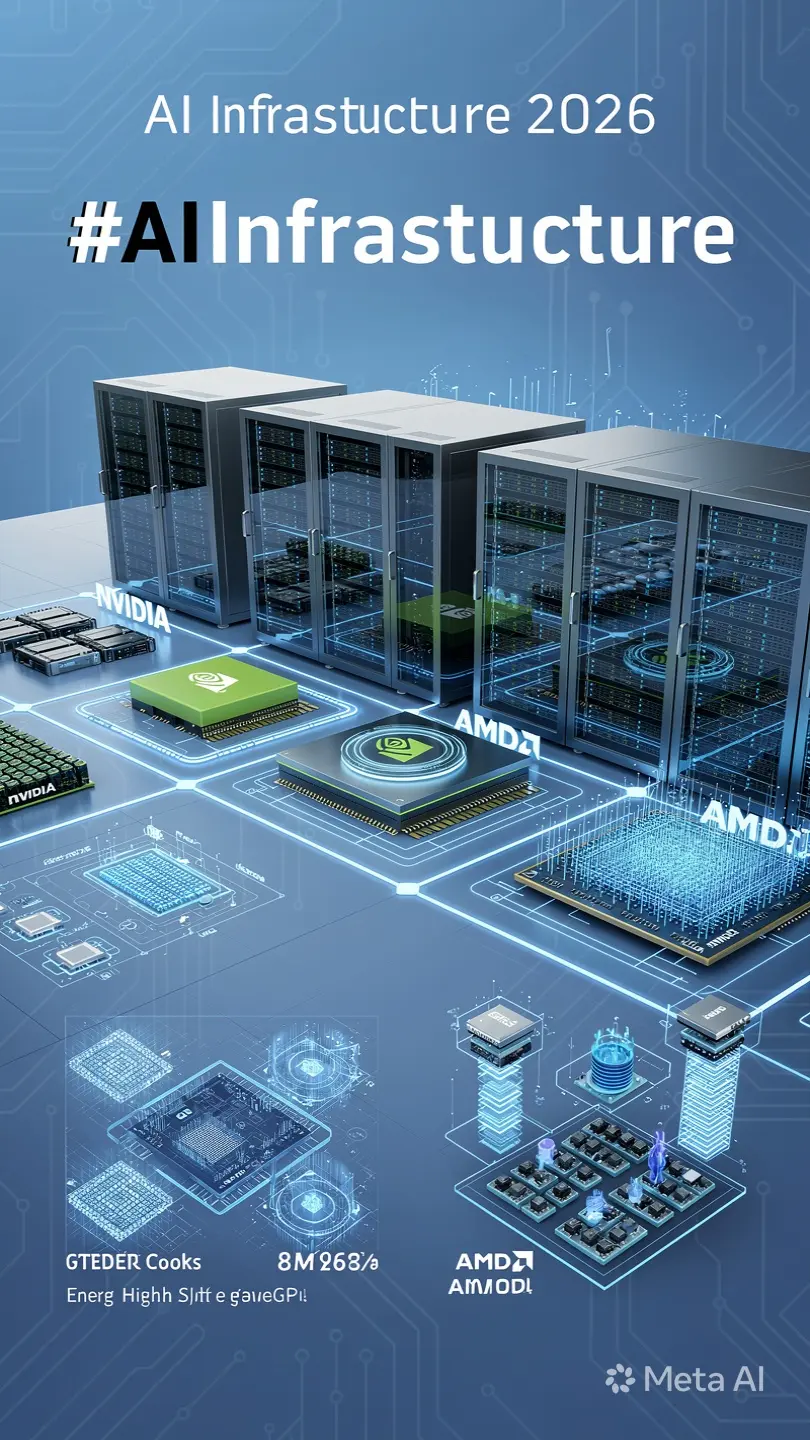

#AIInfrastructure
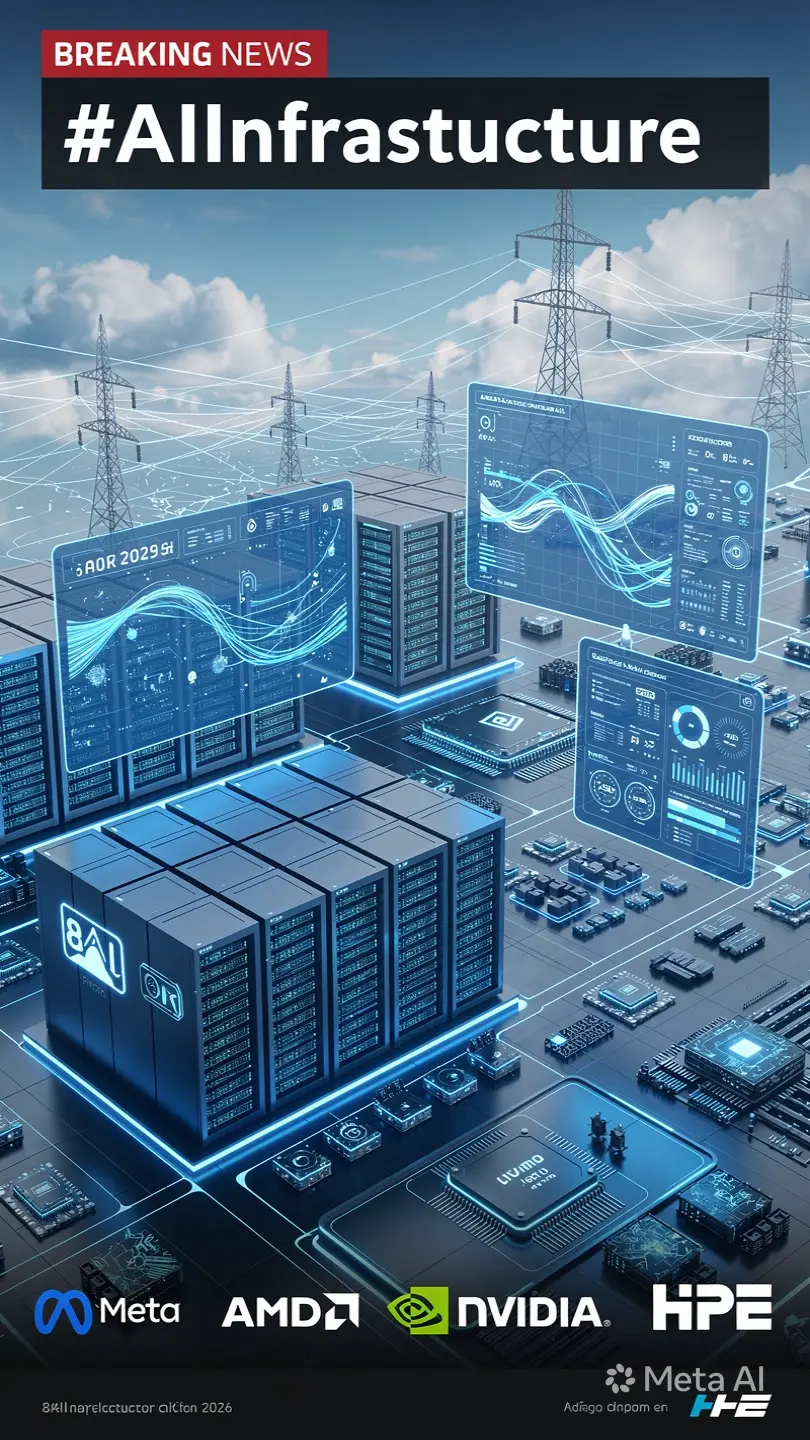
The Billion-Dollar AI Infrastructure Race Has Officially Begun
Artificial intelligence is no longer just a technology story. It is becoming the largest infrastructure investment cycle of the modern era.
While public attention remains focused on chatbots, image generators, and AI-powered applications, the real battle is taking place behind closed data center doors. The companies building the computational backbone of artificial intelligence are emerging as some of the most strategically important players in global markets.
Recent multi-billion-dollar financing activity has reinforced a growing reality: the future of AI will belong not only to those who create intelligent software, but also to those capable of powering it.
Every AI model requires vast amounts of computational resources. Training advanced systems demands thousands of high-performance processors operating continuously for weeks or even months. Once deployed, those systems must process millions of user requests daily, creating a never-ending need for scalable infrastructure.
This is where the new investment opportunity begins.
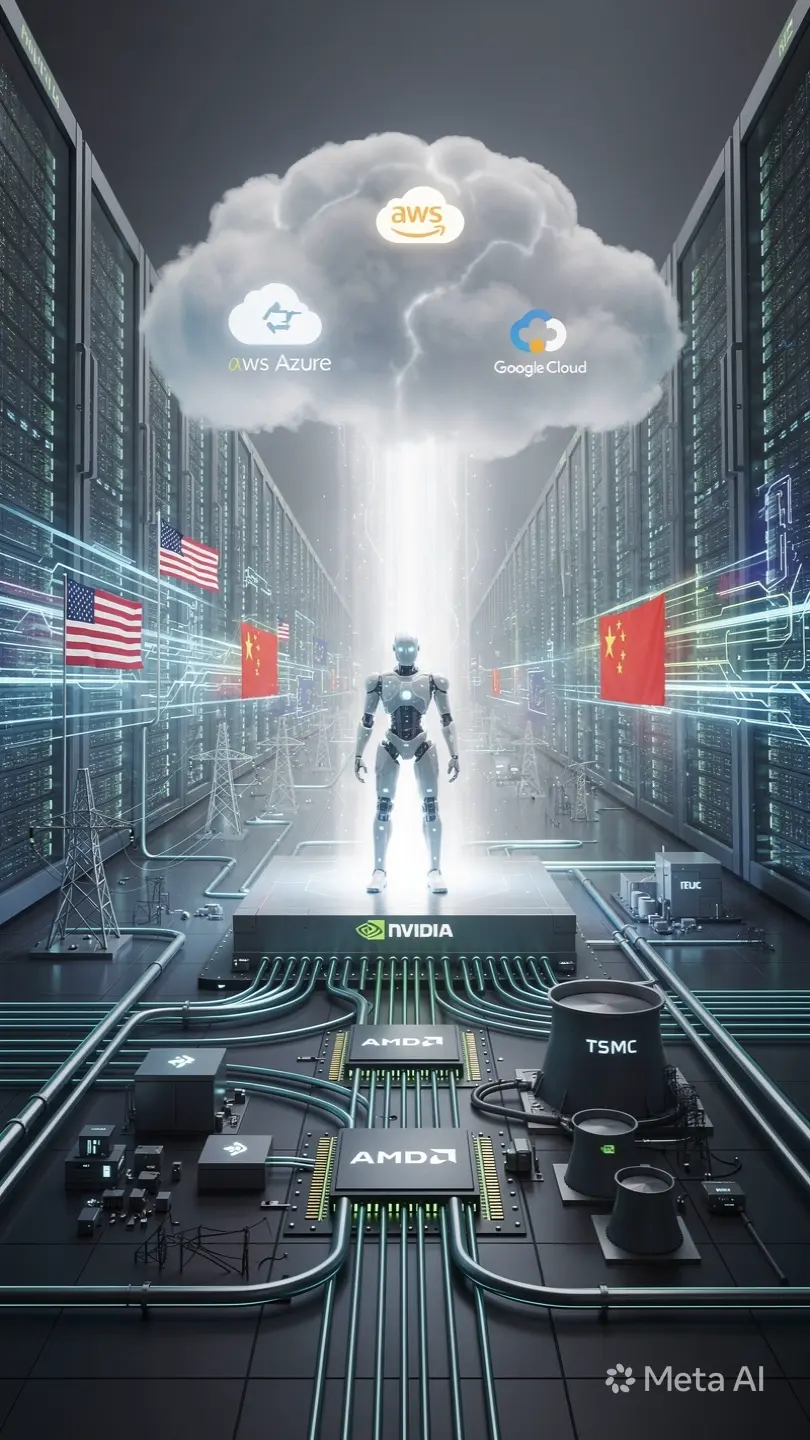
Modern AI development relies on four critical pillars: computing power, energy availability, data center capacity, and cloud connectivity. Without these foundations, even the most sophisticated AI models cannot function efficiently.
Think of the AI industry as a modern gold rush.
The applications attracting headlines are the miners searching for gold.
The infrastructure providers are the companies selling the picks, shovels, roads, and railways.
History repeatedly shows that those building the foundations of transformational industries often generate some of the most durable wealth.
During the internet boom, many early websites disappeared. However, infrastructure providers, networking companies, semiconductor manufacturers, and cloud computing pioneers became long-term winners.
A similar pattern appears to be developing in artificial intelligence.
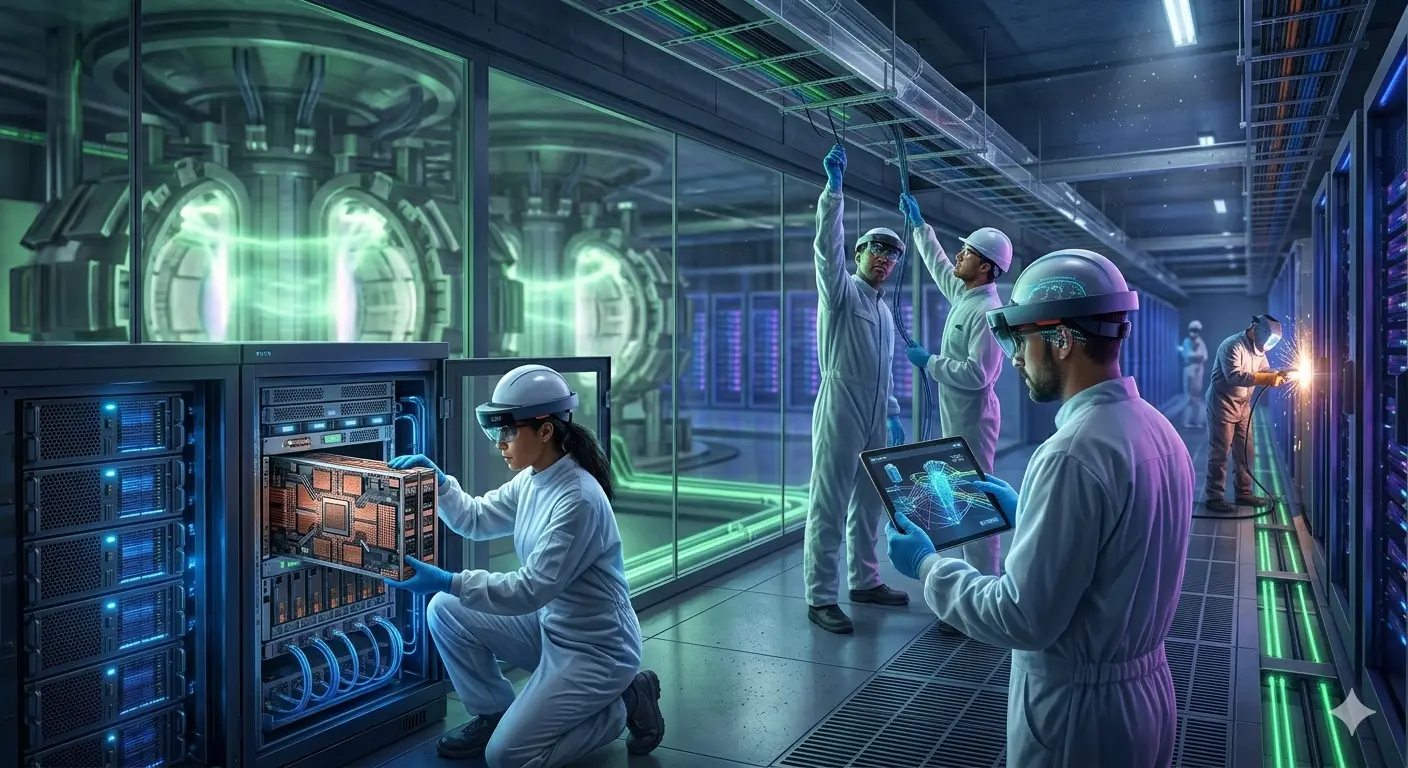
Data centers are expanding at a pace rarely seen in modern technology history. Across North America, Europe, and Asia, billions of dollars are being allocated toward facilities designed specifically for AI workloads. These centers require enormous electrical capacity, advanced cooling systems, and specialized networking equipment capable of moving massive volumes of data in real time.
Energy has become one of the industry's most valuable resources.
Many investors underestimate this factor.
An advanced AI data center can consume as much electricity as a small city. As AI adoption accelerates, access to reliable and scalable energy infrastructure may become one of the most important competitive advantages in the entire technology sector.
This is why investors are increasingly monitoring companies involved in power generation, grid modernization, energy storage, cooling technologies, and advanced semiconductor production.
The AI story is expanding far beyond software.
Institutional investors understand this shift.
Rather than chasing every new application entering the market, many large funds are focusing on the foundational layers supporting the ecosystem. Infrastructure businesses often benefit from recurring demand, long-term contracts, predictable cash flows, and lower competitive pressure compared to consumer-facing applications.
Another reason infrastructure is attracting attention is longevity.
Consumer preferences change.
Software trends evolve.
Infrastructure, however, tends to remain relevant for years or even decades.
A data center built today may continue supporting multiple generations of AI systems throughout its operational life cycle.
This creates a powerful investment narrative.
As artificial intelligence expands into healthcare, finance, manufacturing, cybersecurity, education, logistics, and scientific research, demand for computational capacity is expected to grow dramatically. Every new AI breakthrough increases the need for processing power, storage, networking, and energy.
In many ways, artificial intelligence is creating a self-reinforcing cycle.
More AI adoption creates more demand for infrastructure.
More infrastructure enables more advanced AI.
More advanced AI drives further adoption.
The cycle repeats.
For investors searching for the next major long-term opportunity, the most important question may no longer be which AI application will dominate the market.
The more important question could be:
Who is building the foundation that every AI company will eventually depend on?
The answer to that question may define some of the biggest market winners of the next decade.
#AIInfrastructure
#IntroducingGateStocks
#Gate正式推出股票交易
#Gate美股
The Billion-Dollar AI Infrastructure Race Has Officially Begun
Artificial intelligence is no longer just a technology story. It is becoming the largest infrastructure investment cycle of the modern era.
While public attention remains focused on chatbots, image generators, and AI-powered applications, the real battle is taking place behind closed data center doors. The companies building the computational backbone of artificial intelligence are emerging as some of the most strategically important players in global markets.
Recent multi-billion-dollar financing activity has reinforced a growing reality: the future of AI will belong not only to those who create intelligent software, but also to those capable of powering it.
Every AI model requires vast amounts of computational resources. Training advanced systems demands thousands of high-performance processors operating continuously for weeks or even months. Once deployed, those systems must process millions of user requests daily, creating a never-ending need for scalable infrastructure.
This is where the new investment opportunity begins.
Modern AI development relies on four critical pillars: computing power, energy availability, data center capacity, and cloud connectivity. Without these foundations, even the most sophisticated AI models cannot function efficiently.
Think of the AI industry as a modern gold rush.
The applications attracting headlines are the miners searching for gold.
The infrastructure providers are the companies selling the picks, shovels, roads, and railways.
History repeatedly shows that those building the foundations of transformational industries often generate some of the most durable wealth.
During the internet boom, many early websites disappeared. However, infrastructure providers, networking companies, semiconductor manufacturers, and cloud computing pioneers became long-term winners.
A similar pattern appears to be developing in artificial intelligence.
Data centers are expanding at a pace rarely seen in modern technology history. Across North America, Europe, and Asia, billions of dollars are being allocated toward facilities designed specifically for AI workloads. These centers require enormous electrical capacity, advanced cooling systems, and specialized networking equipment capable of moving massive volumes of data in real time.
Energy has become one of the industry's most valuable resources.
Many investors underestimate this factor.
An advanced AI data center can consume as much electricity as a small city. As AI adoption accelerates, access to reliable and scalable energy infrastructure may become one of the most important competitive advantages in the entire technology sector.
This is why investors are increasingly monitoring companies involved in power generation, grid modernization, energy storage, cooling technologies, and advanced semiconductor production.
The AI story is expanding far beyond software.
Institutional investors understand this shift.
Rather than chasing every new application entering the market, many large funds are focusing on the foundational layers supporting the ecosystem. Infrastructure businesses often benefit from recurring demand, long-term contracts, predictable cash flows, and lower competitive pressure compared to consumer-facing applications.
Another reason infrastructure is attracting attention is longevity.
Consumer preferences change.
Software trends evolve.
Infrastructure, however, tends to remain relevant for years or even decades.
A data center built today may continue supporting multiple generations of AI systems throughout its operational life cycle.
This creates a powerful investment narrative.
As artificial intelligence expands into healthcare, finance, manufacturing, cybersecurity, education, logistics, and scientific research, demand for computational capacity is expected to grow dramatically. Every new AI breakthrough increases the need for processing power, storage, networking, and energy.
In many ways, artificial intelligence is creating a self-reinforcing cycle.
More AI adoption creates more demand for infrastructure.
More infrastructure enables more advanced AI.
More advanced AI drives further adoption.
The cycle repeats.
For investors searching for the next major long-term opportunity, the most important question may no longer be which AI application will dominate the market.
The more important question could be:
Who is building the foundation that every AI company will eventually depend on?
The answer to that question may define some of the biggest market winners of the next decade.
#AIInfrastructure
#IntroducingGateStocks
#Gate正式推出股票交易
#Gate美股