SardaunaWeb3

vip
On-chain Analyst
Diamond Hands
Web3 Creator
No content yet
9/10
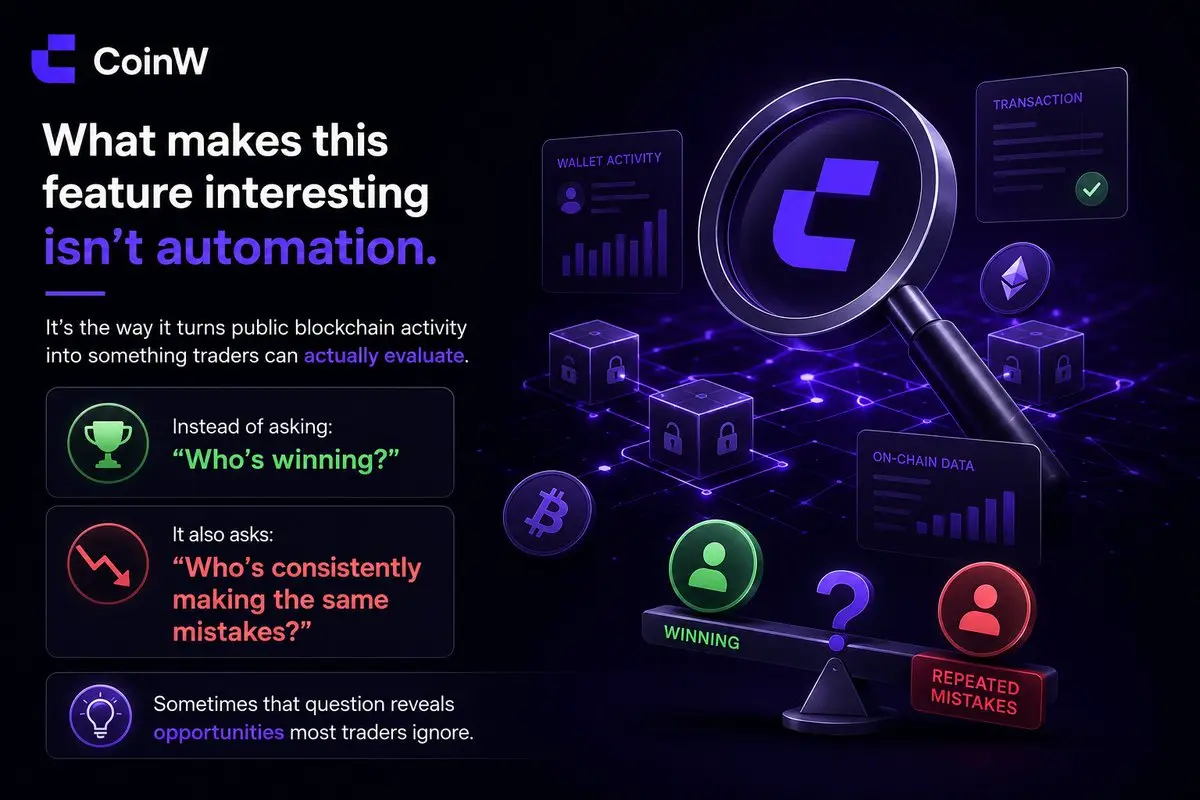
What makes this feature interesting isn't automation.
It's the way it turns public blockchain activity into something traders can actually evaluate.
Instead of asking: "Who's winning?"
It also asks: "Who's consistently making the same mistakes?"
Sometimes that question reveals opportunities most traders ignore.
post-image
  • Reward
  • Comment
  • Repost
  • Share
6/10
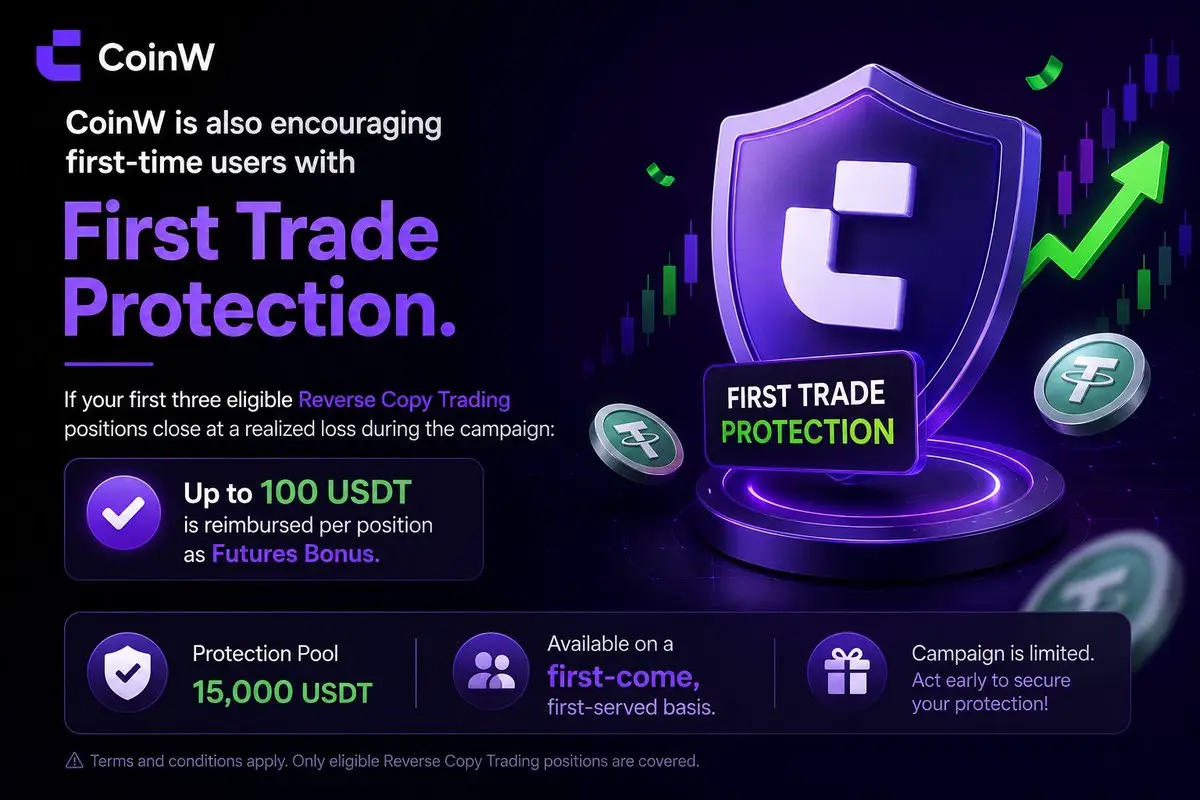
CoinW is also encouraging first-time users with First Trade Protection.
If your first three eligible Reverse Copy Trading positions close at a realized loss during the campaign:
✔ Up to 100 $USDT is reimbursed per position as Futures Bonus.
Protection pool: 15,000 $USDT
Available on a first-come, first-served basis.
post-image
  • Reward
  • Comment
  • Repost
  • Share
5/10
Then comes context.
Imagine a reverse signal opens a LONG on ETH.
Should you instantly SHORT?
Not necessarily.
The Global Long/Short Ratio helps you see how other tracked traders are positioned before acting.
Reverse Copy Trading becomes much more useful when you combine signal quality with broader market context instead of treating every signal the same.
ETH-0.97%
post-image
  • Reward
  • Comment
  • Repost
  • Share
4/10
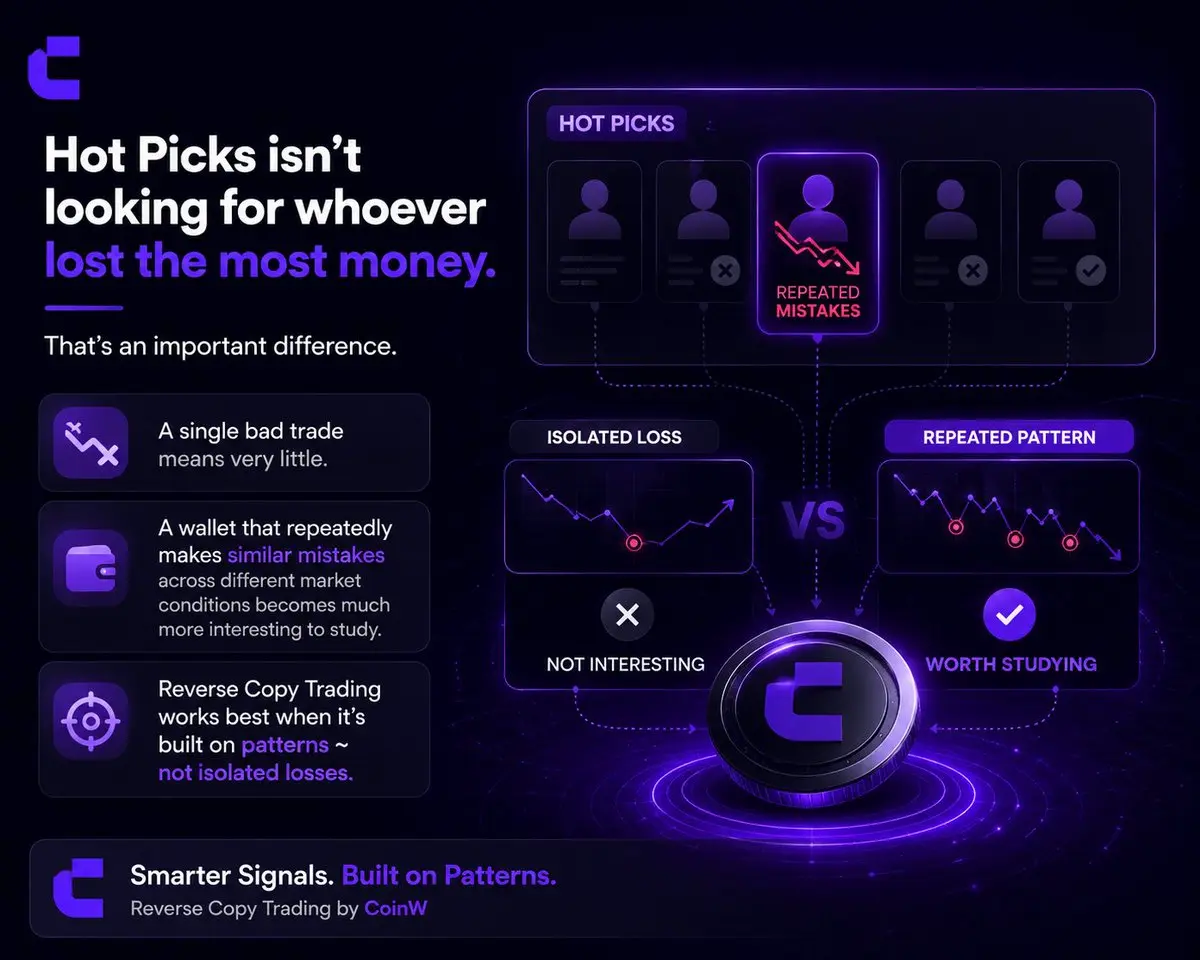
Hot Picks isn't looking for whoever lost the most money.
That's an important difference.
A single bad trade means very little.
A wallet that repeatedly makes similar mistakes across different market conditions becomes much more interesting to study.
Reverse Copy Trading works best when it's built on patterns ~ not isolated losses.
post-image
  • Reward
  • Comment
  • Repost
  • Share
3/10
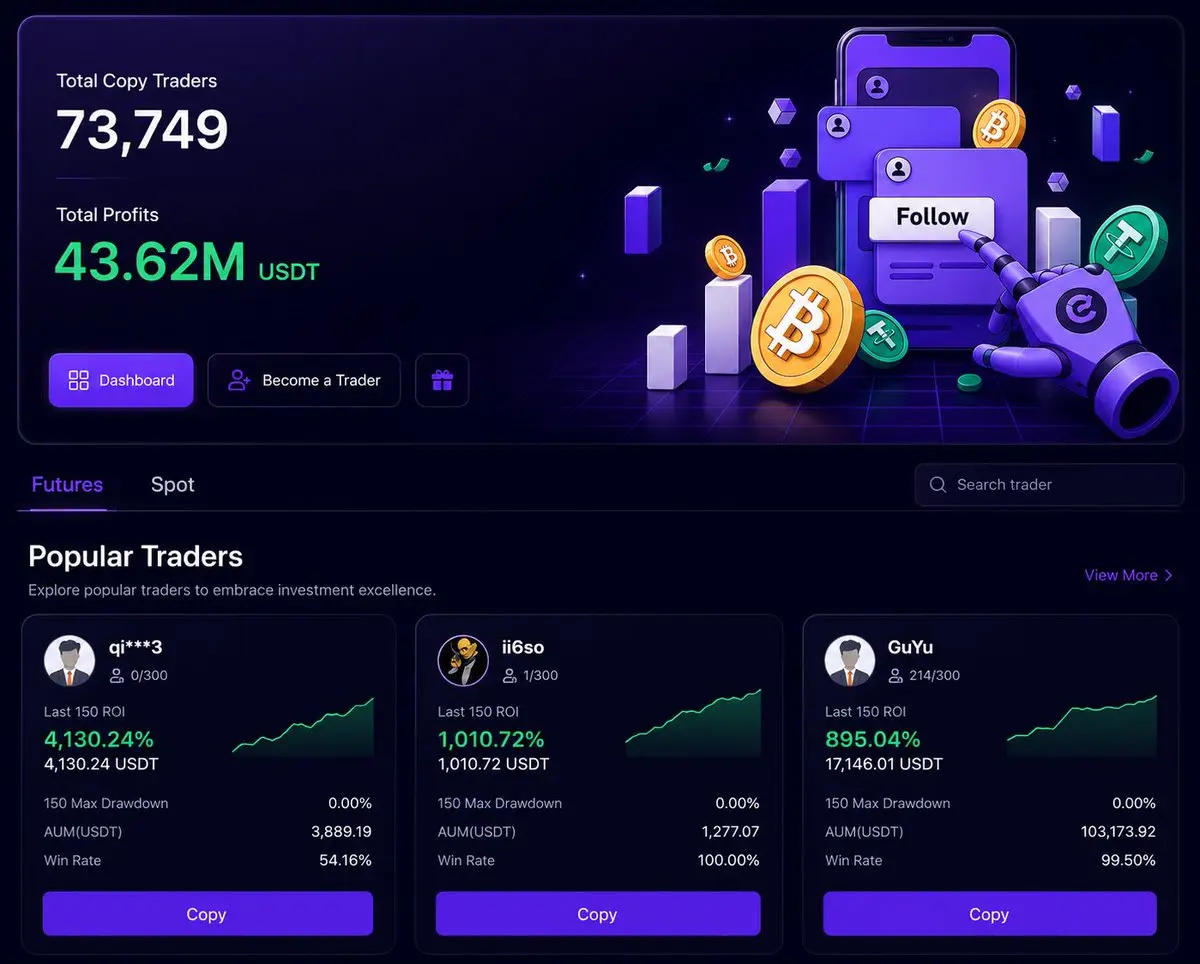
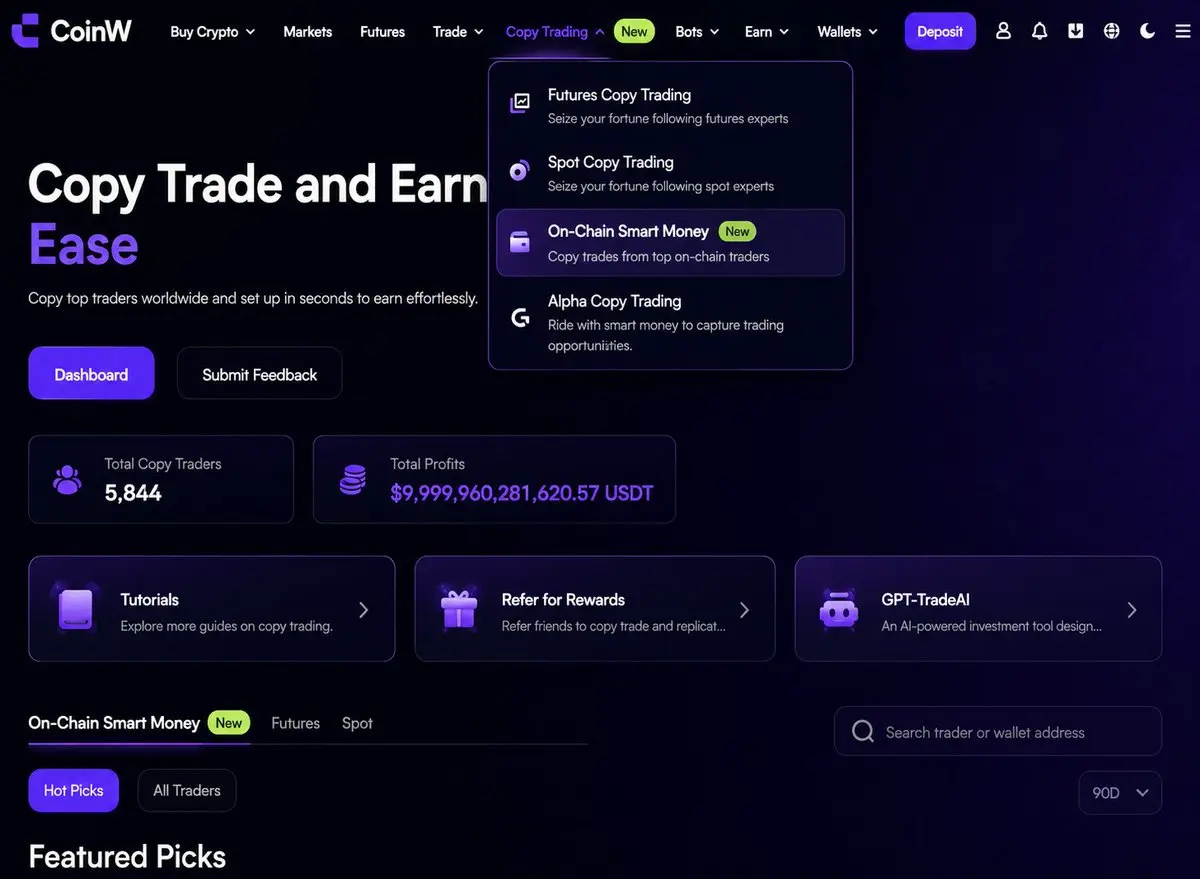
That's where CoinW's Smart Money tools come in.
Instead of searching through thousands of wallets manually, the platform organizes on-chain activity into tools like:
💧 Hot Picks
💧 Smart Money Radar
💧 Global Long/Short Ratio
Each one answers a different question before you place a trade.
post-image
  • Reward
  • Comment
  • Repost
  • Share
2/10
Reverse Copy Trading isn't about betting against random people.
It's about following specific on-chain signal providers whose historical behavior can be analyzed.
When an eligible signal opens:
📈 LONG → your position opens SHORT.
📉 SHORT → your position opens LONG.
Simple execution.
The difficult part is choosing signals worth reversing.
post-image
  • Reward
  • Comment
  • Repost
  • Share
7/8
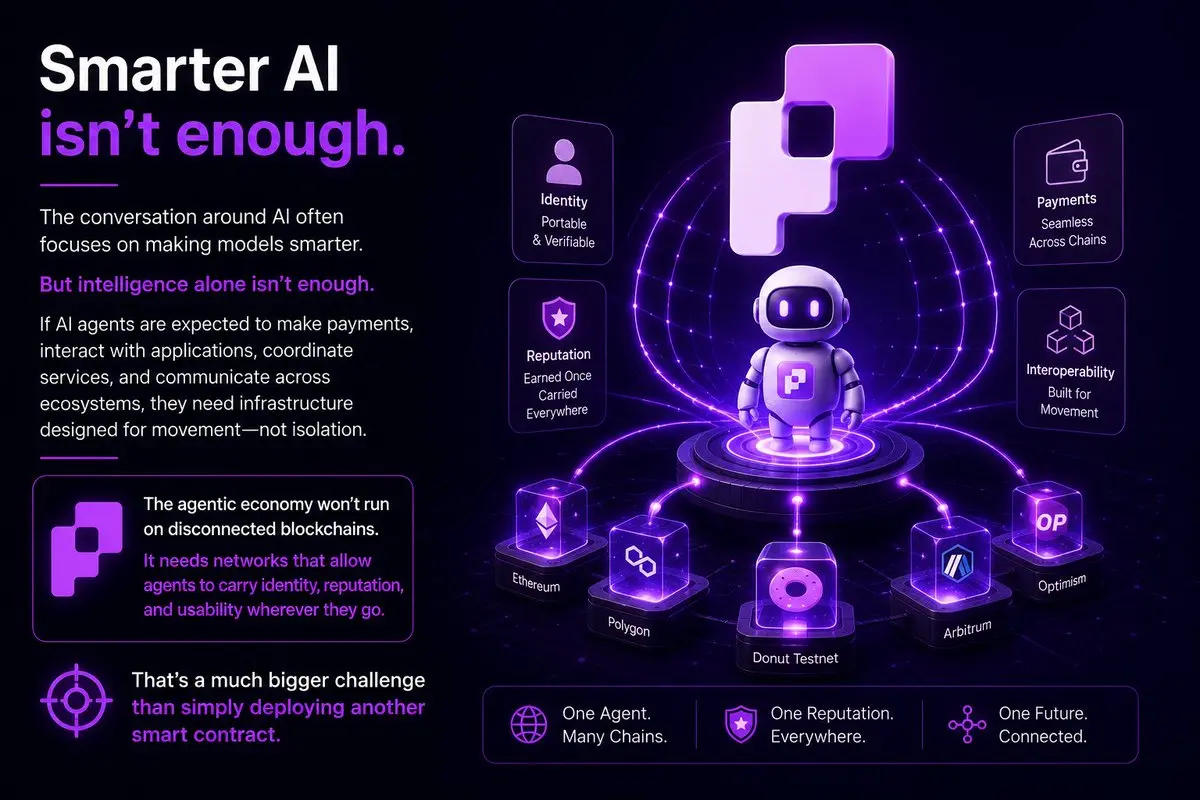
The conversation around AI often focuses on making models smarter.
But intelligence alone isn't enough.
If AI agents are expected to make payments, interact with applications, coordinate services, and communicate across ecosystems, they need infrastructure designed for movement—not isolation.
The agentic economy won't run on disconnected blockchains.
It needs networks that allow agents to carry identity, reputation, and usability wherever they go.
That's a much bigger challenge than simply deploying another smart contract.
post-image
  • Reward
  • Comment
  • Repost
  • Share
6/8
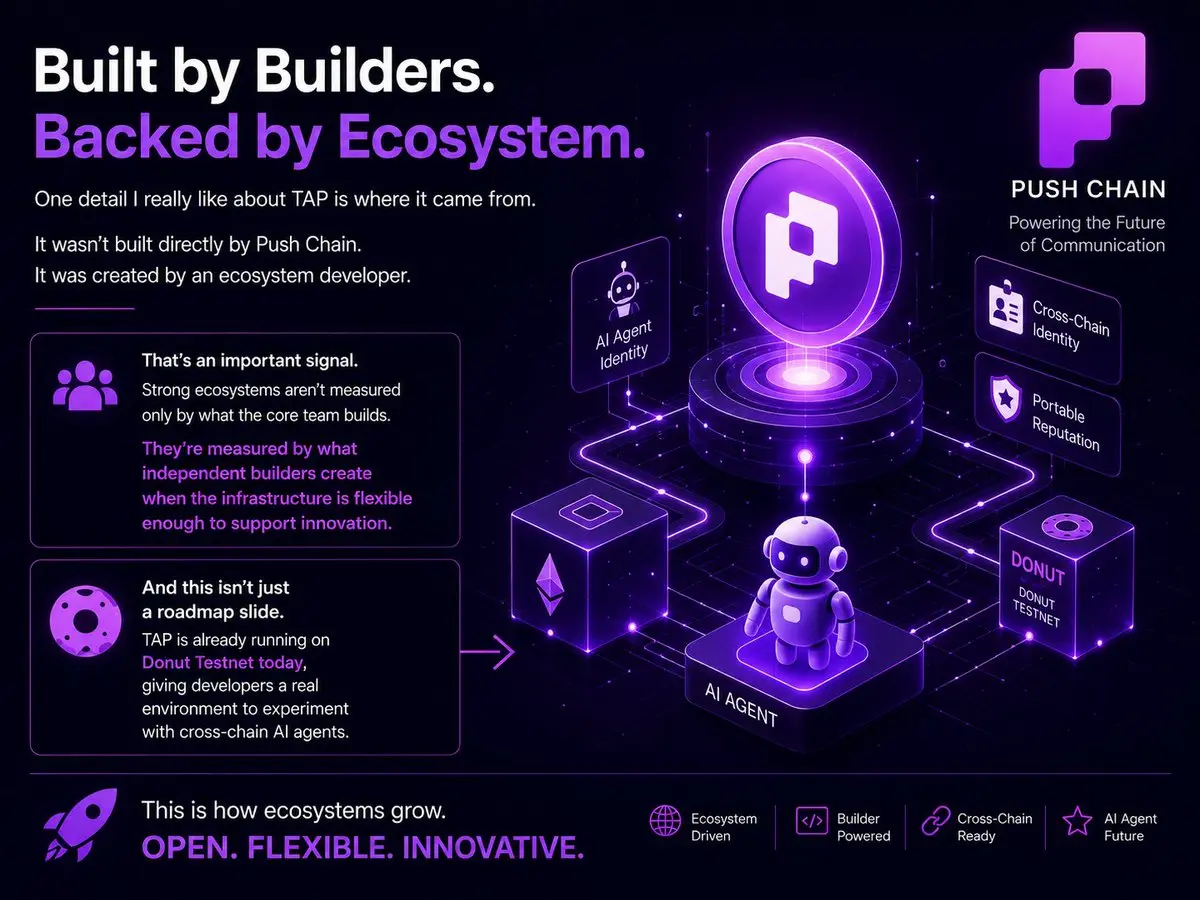
One detail I really like about TAP is where it came from.
It wasn't built directly by Push Chain.
It was created by an ecosystem developer.
To me, that's an important signal.
Strong ecosystems aren't measured only by what the core team builds.
They're measured by what independent builders create when the infrastructure is flexible enough to support innovation.
And this isn't just a roadmap slide.
TAP is already running on Donut Testnet today, giving developers a real environment to experiment with cross-chain AI agents.
post-image
  • Reward
  • Comment
  • Repost
  • Share
3/8
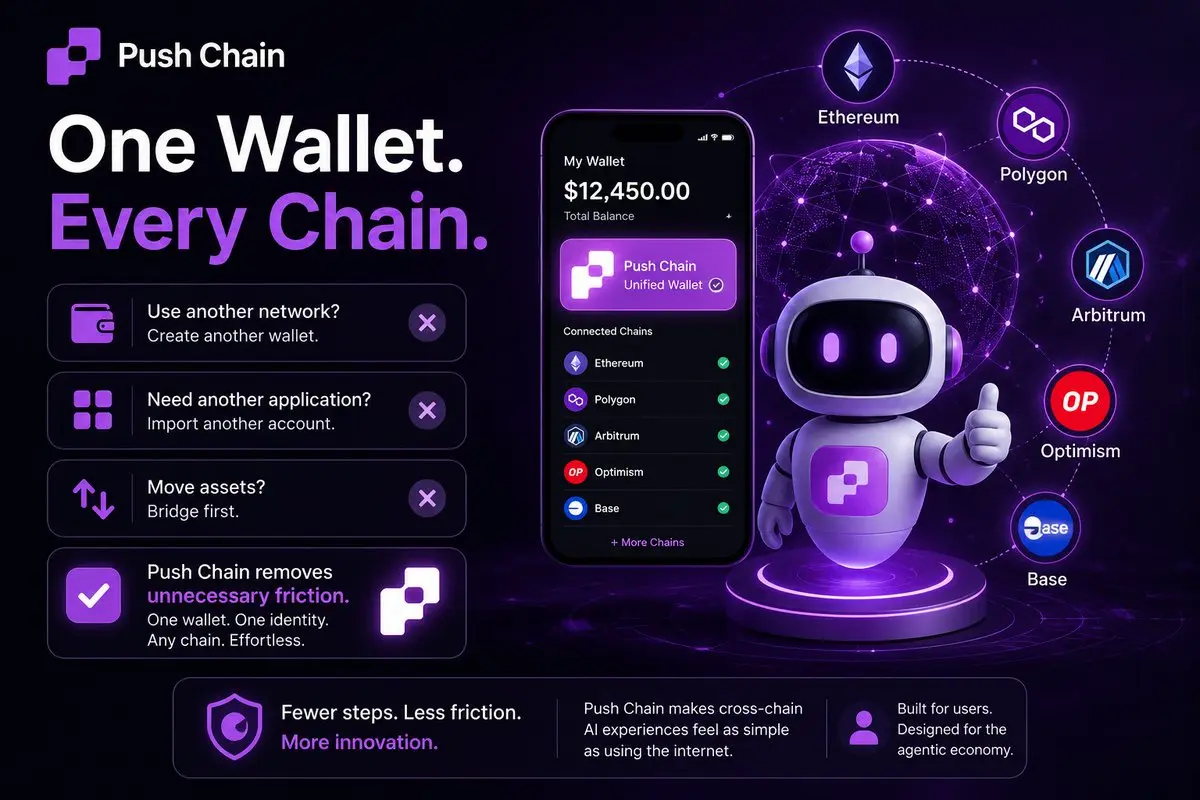
Cross-chain experiences today usually create unnecessary friction.
💧Use another network?
Create another wallet.
💧Need another application?
Import another account.
💧Move assets?
Bridge first.
Push Chain challenges that entire workflow.
Users don't need to create a brand-new wallet just because an AI agent is operating somewhere else.
They continue using the wallet they already have.
Reducing unnecessary onboarding makes AI applications easier to adopt, especially for people who simply want technology to work without constantly learning new processes.
post-image
  • Reward
  • Comment
  • Repost
  • Share
2/8
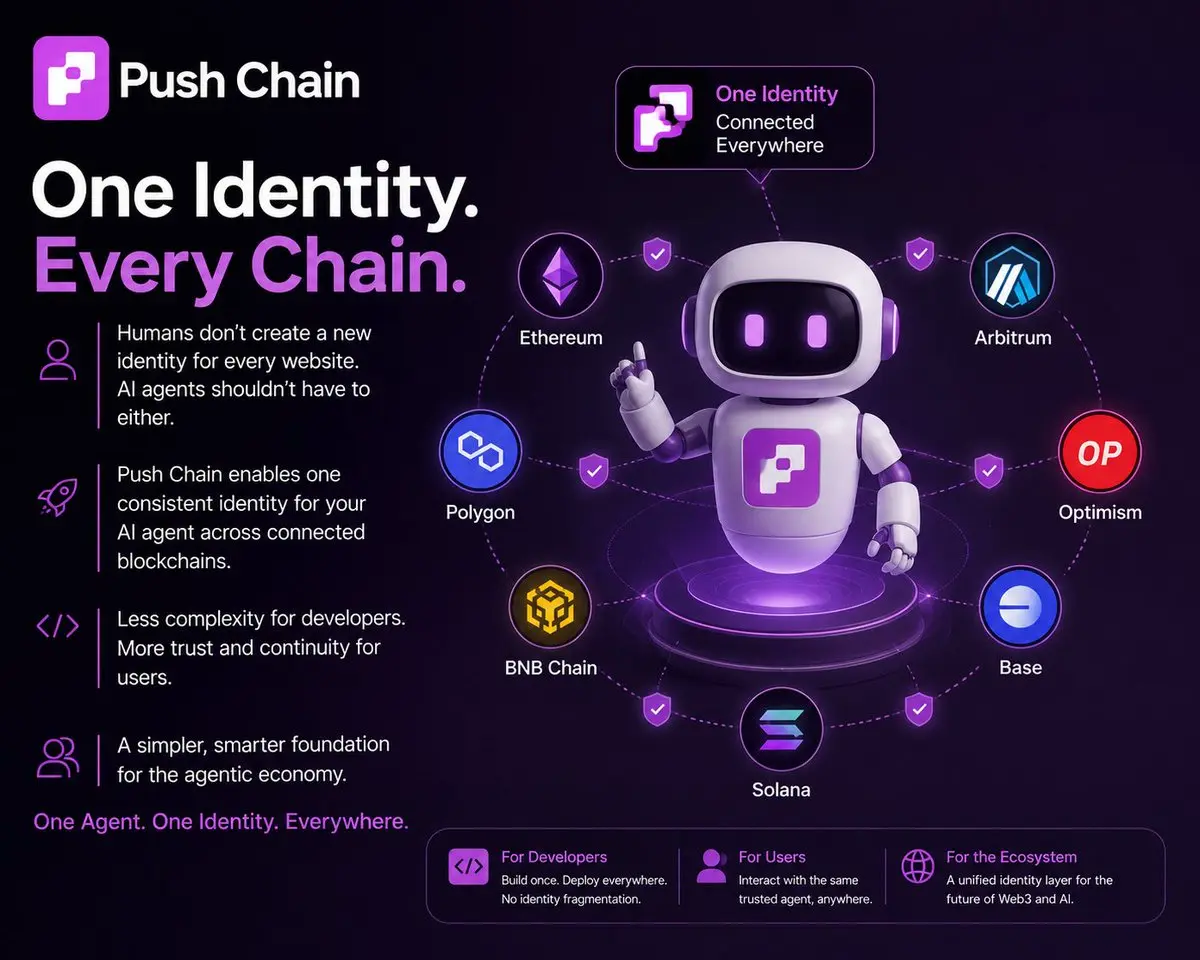
Think about how humans use the internet.
You don't expect to create a brand-new identity every time you visit a different website.
AI agents shouldn't have to do that on blockchains either.
Push Chain introduces the idea of one identity that works across connected chains.
Rather than creating a completely separate identity on every network, an AI agent can carry a consistent identity wherever it operates.
For developers, that means less complexity.
For users, it means interacting with the same trusted agent instead of meeting a "new" version every time it changes chains.
That's a much more
post-image
  • Reward
  • Comment
  • Repost
  • Share
  • Pinned