
Futures
Access hundreds of perpetual contracts
TradFi
Gold
One platform for global traditional assets
Options
Hot
Trade European-style vanilla options
Unified Account
Maximize your capital efficiency
Demo Trading
Introduction to Futures Trading
Learn the basics of futures trading
Futures Events
Join events to earn rewards
Demo Trading
Use virtual funds to practice risk-free trading
Launch
CandyDrop
Collect candies to earn airdrops
Launchpool
Quick staking, earn potential new tokens
HODLer Airdrop
Hold GT and get massive airdrops for free
Launchpad
Be early to the next big token project
Alpha Points
Trade on-chain assets and earn airdrops
Futures Points
Earn futures points and claim airdrop rewards


More

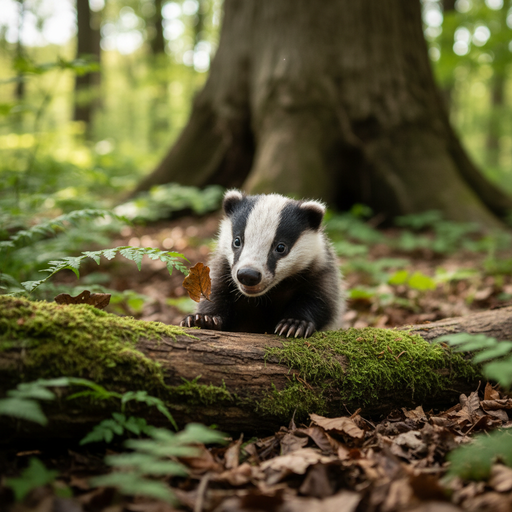



I just found out that the spring equinox in the United States recently passed. It turns out that when it's spring in the United States, March 20th was exactly at 10:46 a.m. (Eastern Time). The interesting thing is that day and night were almost the same length at that moment because the Sun crossed the Earth's equator precisely, and the Earth's axis was neither tilted toward nor away from the Sun. Basically, it's the perfect balance point of the year.
What surprised me is that the equinox doesn't always fall on the same day. It can be between March 19 and 21 depending on the year and calendar adjustments. So, when it's spring in the United States, it's not a fixed date, although most years it's on the 20th. From that moment, the hours of sunlight started gradually increasing until the summer solstice in June, when summer begins. That explains why after March, the days get longer and temperatures rise progressively.
Additionally, I read that astronomical spring is different from meteorological spring. Astronomical spring is based on Earth's position in its orbit, while meteorological spring follows the Gregorian calendar and climate patterns. In 2026, northern spring will last about 92 days, from March 20th until June 20th or 21st. There are regions where the climate has already warmed up since the first weeks, but in others, late cold fronts could still occur. It's interesting how, when it's spring in the United States, the weather varies so much depending on where you are.