À medida que a procura por armazenamento de dados e capacidade de computação aumenta, a infraestrutura cloud tornou-se o alicerce essencial dos serviços digitais. As plataformas cloud tradicionais gerem os recursos de forma centralizada, permitindo um agendamento eficiente e uma prestação de serviços unificada. Contudo, este modelo gera uma oferta de recursos altamente concentrada, uma dependência crescente de uma única plataforma e preocupações acrescidas com os custos dos recursos e o controlo dos dados.
Neste cenário, a infraestrutura cloud descentralizada afirma-se como uma das principais tendências para a infraestrutura Web3. Ao recorrer a nodos distribuídos e à coordenação baseada em protocolo, as redes cloud descentralizadas pretendem criar um modelo de oferta de recursos mais aberto e flexível. O mecanismo de agendamento de recursos é determinante para a eficiência e disponibilidade da rede.
Qual o papel da Impossible Cloud Network no agendamento descentralizado de recursos cloud?
A Impossible Cloud Network (ICNT) é um protocolo descentralizado concebido para cenários de armazenamento e infraestrutura cloud. A sua principal função é ligar fornecedores e consumidores de recursos, permitindo a alocação de recursos cloud através de um agendamento orientado por protocolo.
Neste modelo, os operadores de nodo disponibilizam recursos de armazenamento ou computação à rede, os utilizadores solicitam serviços via protocolo e o sistema faz a correspondência e atribuição de recursos com base no estado dos nodos e no tipo de procura. A ICNT assume o papel de “camada de coordenação” no mercado cloud descentralizado, assegurando a gestão de recursos, o agendamento, a alocação e a liquidação.
Este mecanismo elimina a dependência de plataformas centralizadas, recorrendo à lógica de protocolo para uma coordenação dinâmica, o que aumenta a eficiência da utilização dos recursos e diversifica as fontes de oferta.
De onde provêm os recursos da rede ICNT?
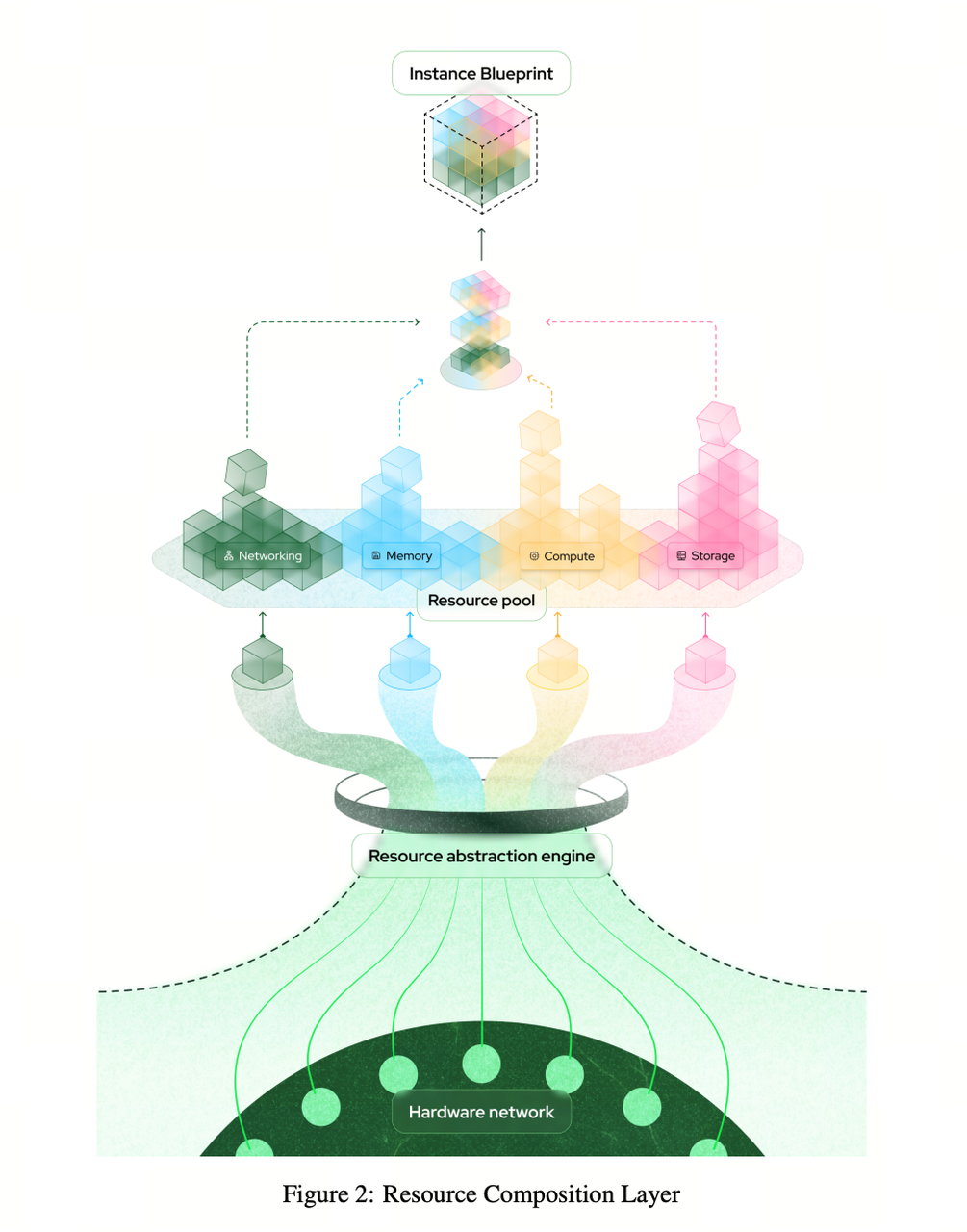
Os recursos da rede ICNT são fornecidos essencialmente por operadores de nodos distribuídos. Estes operadores podem disponibilizar dispositivos de armazenamento próprios, largura de banda ou capacidade de computação à rede de protocolo, tornando estes recursos acessíveis como infraestrutura de base.
Os recursos podem ser provenientes de nodos autónomos ou de prestadores profissionais de serviços de infraestrutura. O protocolo gere todos os recursos ligados de modo uniforme, integrando-os numa pool de recursos agendável para responder aos pedidos dos utilizadores.
Esta abordagem consolida infraestruturas anteriormente dispersas num sistema de recursos de rede unificado, concretizando a descentralização na oferta.
Como são atribuídos os pedidos dos utilizadores aos nodos?
Quando um utilizador submete um pedido de recurso, o protocolo faz a correspondência automática com base no tipo de procura e no estado atual dos nodos.
Por exemplo, se um utilizador solicitar serviços de armazenamento, o protocolo filtra os nodos que cumprem os critérios de capacidade, disponibilidade e desempenho, atribuindo depois a tarefa ao fornecedor mais adequado. Todo o processo de correspondência é regido por lógica de agendamento pré-definida, sem intervenção manual.
Embora semelhante ao agendamento de recursos cloud centralizado, a ICNT executa esta lógica via protocolo, assegurando maior transparência e reduzindo os custos de gestão centralizada.
Como gere o protocolo o agendamento de recursos?
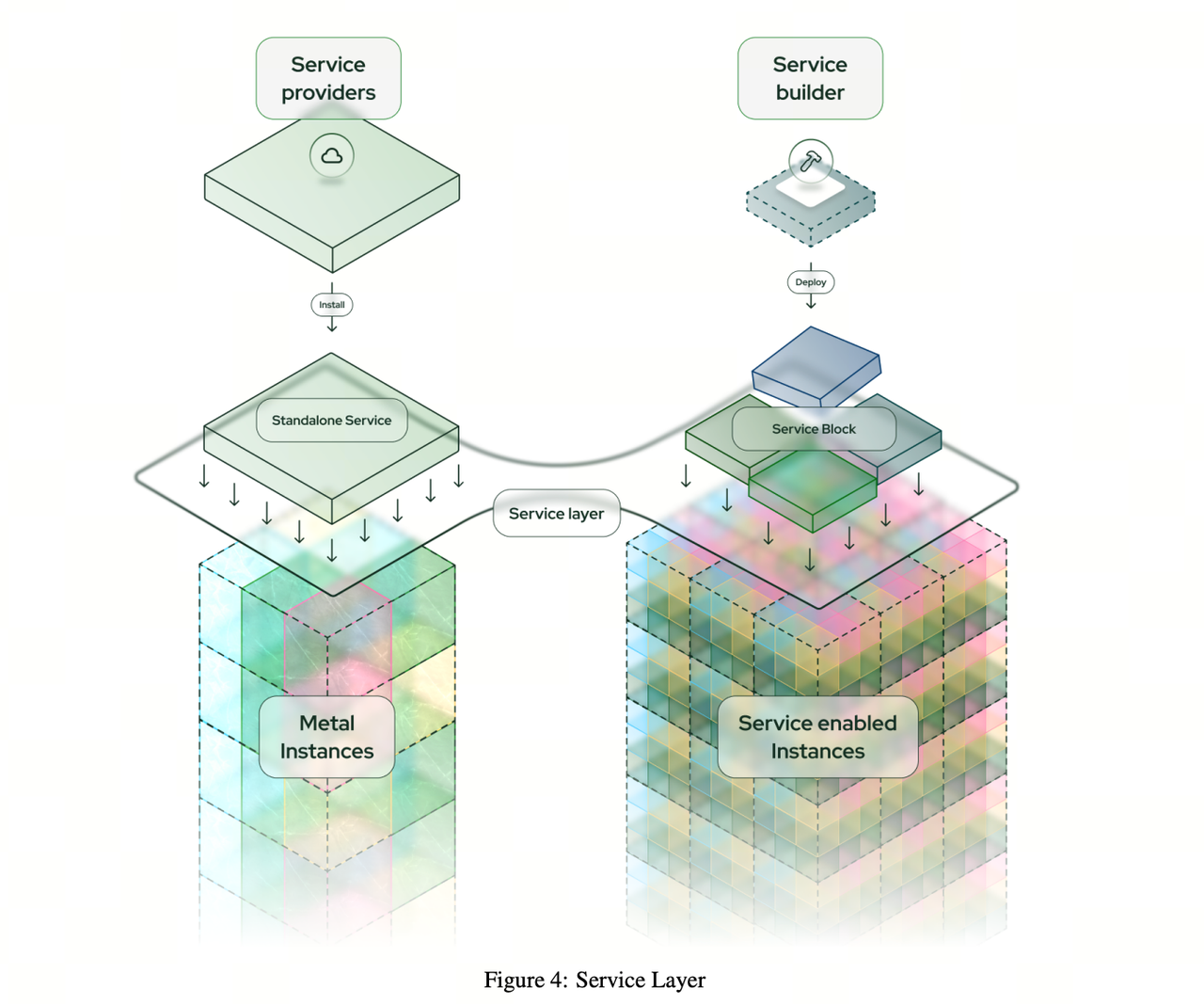
O mecanismo de agendamento de recursos da ICNT integra o registo de recursos, a correspondência da procura, a atribuição de tarefas e a atualização do estado.
Num primeiro momento, os nodos submetem à rede de protocolo o seu estado de recursos — incluindo capacidade disponível, métricas de desempenho e estado de serviço. Quando os utilizadores solicitam recursos, o protocolo faz corresponder a procura a estes parâmetros e atribui tarefas aos nodos elegíveis.
Após a execução das tarefas, o protocolo atualiza o estado do nodo e liquida as taxas de acordo com os resultados do serviço. Esta lógica de agendamento em ciclo fechado permite uma coordenação contínua entre oferta e procura, garantindo a estabilidade dos serviços cloud.
Como garante a ICNT a disponibilidade dos serviços dos nodos?
Nas redes cloud descentralizadas, a qualidade do serviço dos nodos é essencial para a fiabilidade global. A ICNT assegura a disponibilidade dos recursos através de mecanismos de protocolo.
Estes protocolos recorrem normalmente à monitorização do estado dos nodos, à verificação da qualidade do serviço e a mecanismos de incentivo ou restrição para garantir a estabilidade. Os nodos mais fiáveis recebem maiores recompensas, enquanto os que apresentam menor qualidade de serviço podem ver reduzida a prioridade ou os incentivos.
Esta abordagem eleva a qualidade geral dos recursos da rede e reduz os riscos associados à instabilidade dos nodos.
Qual o papel do Token ICNT no agendamento?
O Token ICNT funciona como instrumento de liquidação e incentivo dentro do mecanismo de agendamento de recursos.
Os utilizadores pagam Token ICNT para aceder aos recursos da rede; os operadores de nodos recebem recompensas em token pela prestação de serviços. Esta troca de valor orientada por protocolo cria incentivos sustentáveis entre a oferta e a procura.
Além disso, os tokens suportam a governança da rede, permitindo ajustar parâmetros de recompensa ou otimizar regras de agendamento, aumentando a eficiência operacional.
Em que difere o agendamento descentralizado de recursos dos serviços cloud tradicionais?
Os serviços cloud tradicionais assentam em plataformas centralizadas para gerir recursos, atribuir tarefas e garantir o serviço. Embora eficiente, este modelo concentra a oferta e o poder de fixação de preços na plataforma.
O agendamento descentralizado da ICNT utiliza lógica de protocolo para corresponder recursos fornecidos por nodos distribuídos, com a liquidação feita através de tokens. Esta abordagem amplia a participação na rede e permite que os fornecedores intervenham diretamente no mercado de infraestrutura.
O modelo descentralizado oferece maior abertura e flexibilidade, mas exige um design de protocolo e uma gestão de nodos mais avançados.
Resumo
A Impossible Cloud Network (ICNT) funciona coordenando recursos de nodos distribuídos através de protocolo, viabilizando o agendamento descentralizado de serviços cloud. O processo inclui integração de recursos, correspondência da procura, atribuição de tarefas, liquidação de taxas e incentivos aos nodos, ligando fornecedores e consumidores com lógica de protocolo.
Este mecanismo de agendamento não só amplia as fontes de recursos cloud, como também oferece um caminho escalável para a infraestrutura cloud descentralizada. Com a evolução do DePIN, modelos de agendamento de recursos orientados por protocolo como a ICNT estão a tornar-se pilares dos serviços cloud descentralizados.
Perguntas Frequentes
Qual é o mecanismo de agendamento de recursos da ICNT?
O mecanismo de agendamento de recursos da ICNT faz corresponder automaticamente a procura do utilizador ao estado dos recursos dos nodos via protocolo, assegurando a atribuição de tarefas e a liquidação de taxas.
Quem fornece os recursos da ICNT?
Os recursos são fornecidos sobretudo por operadores de nodos, incluindo armazenamento, largura de banda e capacidade de computação enquanto infraestrutura.
Como garante a ICNT a qualidade do serviço dos nodos?
O protocolo reforça a estabilidade dos nodos e a disponibilidade dos recursos através da monitorização do estado, de recompensas de incentivo e de restrições ao serviço.
Qual é o papel do Token ICNT no agendamento de recursos?
O Token ICNT serve para pagar serviços de recursos e recompensar os operadores de nodos.
Qual a principal diferença entre a ICNT e o agendamento cloud tradicional?
A diferença fundamental é que a ICNT coordena recursos de nodos distribuídos via protocolo, enquanto os serviços cloud tradicionais utilizam plataformas centralizadas para o agendamento de recursos.